Scotland gives beavers protected status as a native species
On 1 May 2019 beavers became a legally protected native species in Scotland, which allowed their natural spread and licensed moves to new areas.
This summary was written by AI to complete the context; it is not based on a current source.
On 1 May 2019, beavers gained legal protection in Scotland as a native species. The Scottish government had announced the decision in November 2016, and the rules took effect after a transition period. Beavers were hunted to extinction in Britain several centuries ago, mainly for their fur and scent glands.
The decision followed years of debate. An official trial reintroduction had begun at Knapdale in Argyll in 2009. Separately, a wild population had become established in Tayside, probably from escaped or illegally released animals. Officials concluded that removing the animals was neither practical nor desirable, and that they could be managed instead.
Protected status made it an offence to deliberately kill, injure or disturb beavers or to damage their lodges. It also allowed the national nature agency, then called Scottish Natural Heritage, to issue licences for moving beavers to new locations. Farmers and landowners affected by flooding or damage to crops could apply for licences to manage the animals.
The change gave beavers a clear legal footing and opened the way for planned releases in other parts of Scotland, which later fed into projects such as the return of beavers to the Loch Ness area.
Story timeline
Beavers reintroduced to Loch Ness area · 3 updates
What happened before and after this story. Background events not previously covered were summarised by AI.
More in: Curious
See all →
Italian chef fired in Australia for refusing to put pineapple on pizza
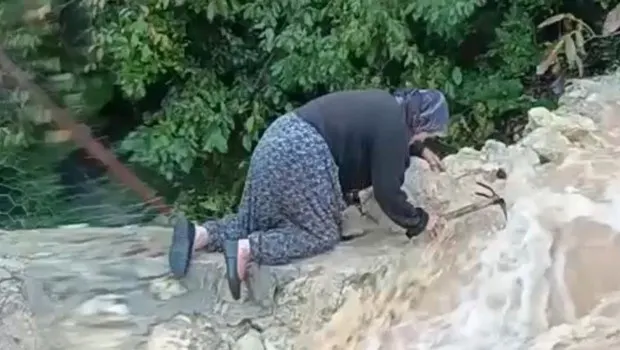
75-year-old grandma takes an axe to floodwater to save her greenhouse

3,000 tarantulas hidden in worn socks: two Germans and a Pole arrested in Peru