Beavers released at Knapdale in Scotland's first licensed reintroduction
In May 2009, beavers were released at Knapdale, Argyll, in Britain's first licensed wild reintroduction of the species after centuries of absence.
This summary was written by AI to complete the context; it is not based on a current source.
On 29 May 2009, beavers were released into the woodland lochs of Knapdale, in Argyll on Scotland's west coast. It was the first officially licensed reintroduction of a mammal that had been extinct in Britain for centuries, after being hunted for its fur, meat and scent glands, probably into the 16th century.
The release was the start of the Scottish Beaver Trial, a five-year scientific study run by the Scottish Wildlife Trust and the Royal Zoological Society of Scotland, working with the Forestry Commission Scotland, then the government forestry agency. The animals were Eurasian beavers brought from Norway. Researchers monitored how they affected water levels, habitats, wildlife and local people, including landowners and farmers.
The trial mattered because it tested whether beavers could live in Britain's modern landscape and what benefits or problems they might bring. Beavers are often called ecosystem engineers because their dams and ponds can create wetlands and help reduce flooding. The trial ended in 2014, and in 2016 the Scottish Government decided the animals could stay in Scotland. That decision paved the way for later releases and spread elsewhere.
Story timeline
Beavers reintroduced to Loch Ness area · 3 updates
What happened before and after this story. Background events not previously covered were summarised by AI.
More in: Curious
See all →
Italian chef fired in Australia for refusing to put pineapple on pizza
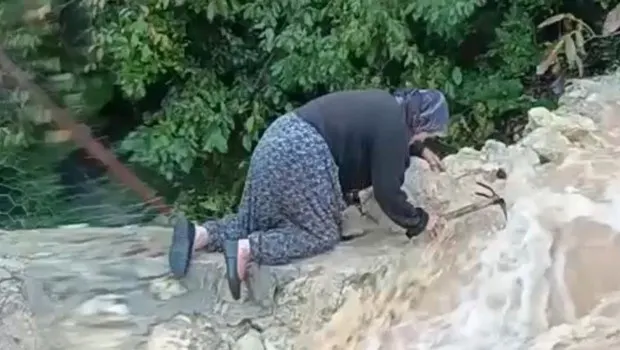
75-year-old grandma takes an axe to floodwater to save her greenhouse

3,000 tarantulas hidden in worn socks: two Germans and a Pole arrested in Peru