Beavers are back at Loch Ness for the first time in 500 years
A family of six beavers has been released near Loch Ness, where the species was last recorded in Scotland five centuries ago. Many more are on the way.
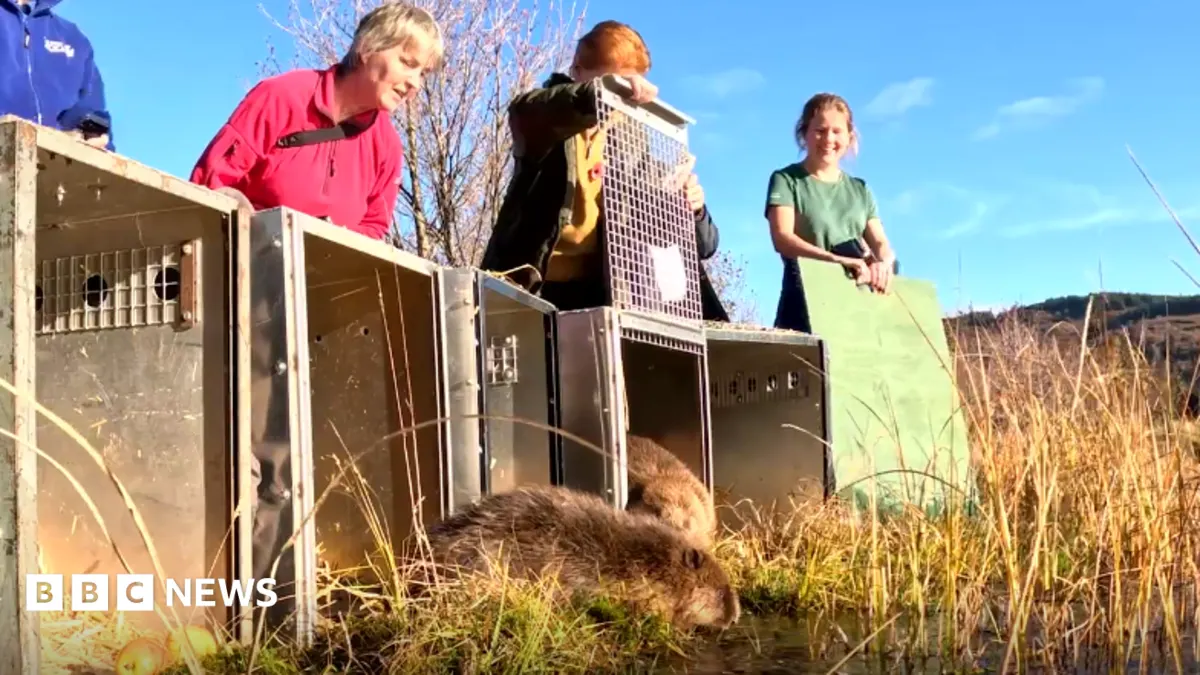
Loch Ness has a new resident, and it isn't a monster. A family of six beavers has been released into the Loch Ness catchment, 500 years after the species was last recorded there.
What happened?
The beavers were set free at the Dundreggan rewilding estate in Glenmoriston, in the Scottish Highlands. They were moved from elsewhere in Scotland.
The family is made up of a mother, two juveniles about two years old, and three young beavers born earlier this year. Before release, they had health checks at a specialist holding facility at Five Sisters Zoo.
NatureScot (Scotland's nature agency) approved the release and granted a licence to the charities Trees for Life and the Beaver Trust. Steve Micklewright, chief executive of Trees for Life, called it a "very beautiful thing to see". He said the animals looked "very settled" and relaxed straight away.
Why does it matter?
The last widely cited historical record of Scotland's beavers, from 1526 to 1527, placed them around Loch Ness. Then they were hunted to extinction.
Beavers are often called ecosystem engineers. They dig channels, coppice trees and build dams that create pools, wetlands and light-filled gaps in woodland. The hope is that this will help frogs and dragonflies, and the insects will feed birds and bats.
Trees for Life says dams on smaller streams slow the flow of water and trap sediment, which can improve water quality. Alan McDonnell, the charity's head of nature restoration, called the project "a major milestone for nature recovery in Britain".
These particular beavers came from areas where they were harming prime farmland and where other mitigation had failed or wasn't possible.
What's next?
The Ness Beaver Project plans to release at least 15 beaver family groups around Loch Ness over the next three years. Future release sites will be announced once this first family has settled.
Beavers were first officially reintroduced to Scotland at Knapdale in 2009, and gained protected status in 2019. NatureScot identified the River Ness catchment in 2022 as one of the best places for them. More than 73% of people who responded to the consultation backed the plan.
Once the animals are settled, Trees for Life plans guided tours at Dundreggan, so you may be able to spot a beaver or its handiwork.
Story timeline
Beavers reintroduced to Loch Ness area · 3 updates
What happened before and after this story. Background events not previously covered were summarised by AI.
More in: Curious
See all →
Italian chef fired in Australia for refusing to put pineapple on pizza
75-year-old grandma takes an axe to floodwater to save her greenhouse

3,000 tarantulas hidden in worn socks: two Germans and a Pole arrested in Peru