Loni, 30 km from Delhi, ranks among the world's most polluted places
Loni in Uttar Pradesh averaged PM2.5 of 112.5 over the past year, more than 22 times the WHO limit, and the air worsened further after Diwali.
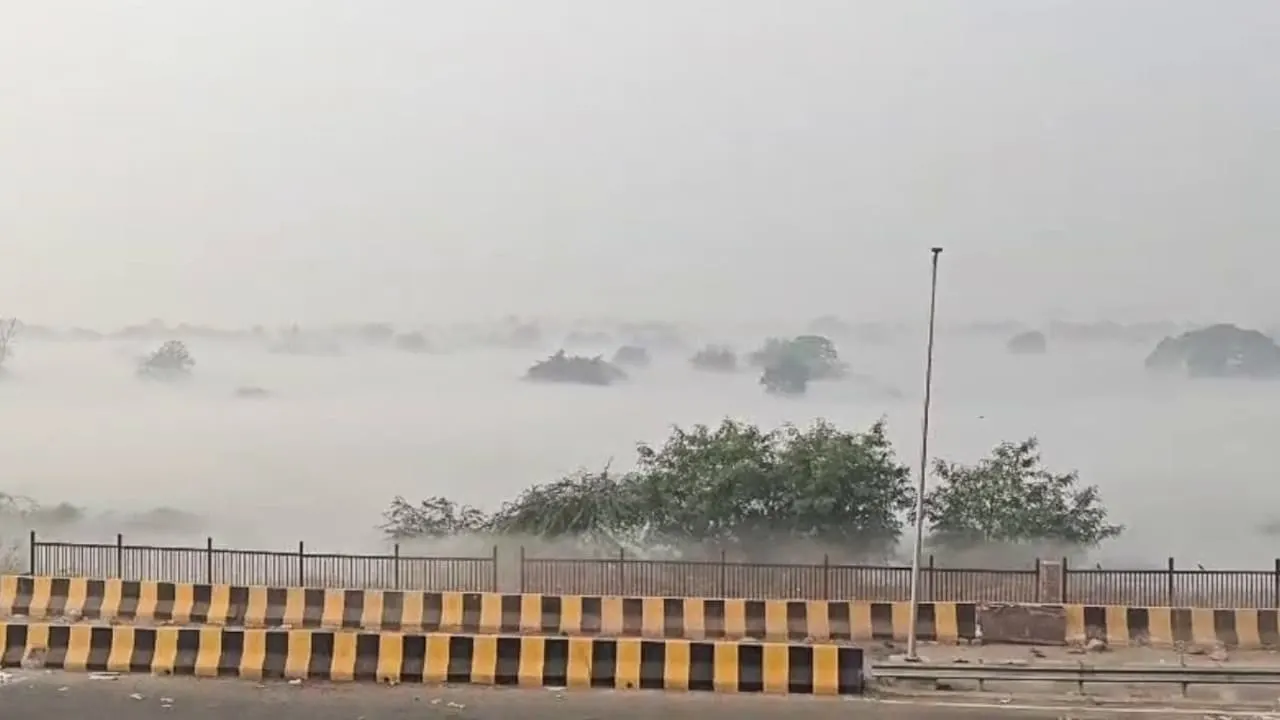
If you think Delhi's air is bad, spare a thought for Loni. This town in Uttar Pradesh, about an hour's drive from the capital, woke up to toxic air on Monday morning after Diwali fireworks.
Over the past 12 months, Loni averaged PM2.5 levels of 112.5 micrograms per cubic metre. That is more than 22 times the World Health Organisation's recommended annual limit of 5. It also puts the town among the world's 20 most polluted places in an annual ranking by Swiss monitoring firm IQAir.
Why is Loni's air so bad?
There is no single culprit. Loni is surrounded by industrial areas, and many small units run from homes. Some use furnaces to smelt metals, which release harmful fumes.
Broken roads and year-round construction add dust. Loni sits between Delhi, Ghaziabad and Baghpat, where land is cheaper, so building never really stops. Infrastructure projects mean deep digging too.
Traffic is another factor. The Eastern Expressway and the Delhi-Dehradun Highway pass nearby, and heavy trucks use them around the clock. Waste is also a problem: residents often dump rubbish in the open or burn it.
Bricks, stubble and trapped smoke
Nearby Baghpat is known for brick kilns, and several sit within a few kilometres of Loni. Their smoke and the dust from dug-up fields add to the haze. In winter, farm fires in surrounding villages, along with stubble smoke from Punjab and Haryana, make things worse.
Geography plays a part as well. Loni lies on the Yamuna riverbank near rural areas, so ground temperatures are lower. That lowers the height at which pollutants mix, and they stay trapped close to the ground. Gases such as sulfur dioxide, nitrogen oxides and ammonia can also react with dust particles to form even more harmful compounds.
High PM2.5 exposure can raise the risk of cancer and heart disease.
What's the wider picture?
Delhi itself had a rough Diwali. Official data put its air quality index (AQI) at 483 at 8:10 a.m. on Monday. Private monitors, including IQAir, reported readings above 1,000 in Shahdara and Defence Colony. Delhi's average AQI had already hit 376 on Diwali day.
The Supreme Court had allowed limited green firecrackers in Delhi-NCR (the capital region) last year. The opposition has claimed data fraud, while the BJP blames 25 years of inaction.
Story timeline
Delhi post-Diwali air pollution · 6 updates
What happened before and after this story. Background events not previously covered were summarised by AI.
More in: News
See all →
Mystery letter sent Polish military police to hospital, now the case is closed

Michel Houellebecq charged over 2022 remarks about Muslims in a magazine interview

Germany adds just 34 km of new rail track in 2026, less than a marathon