Mystery letter sent Polish military police to hospital, now the case is closed
A letter from Germany left three people at a Polish military police office feeling unwell. Tests found nothing dangerous, and prosecutors have now closed the case.
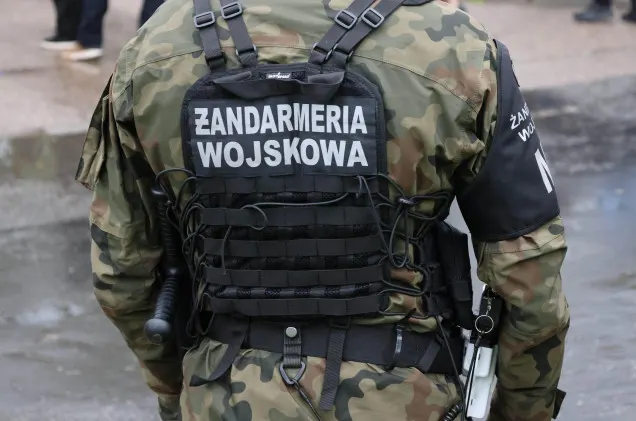
A single letter, one handwritten note and a lot of alarm. Three people at a Polish military police station ended up in hospital after opening an envelope from Germany. Now prosecutors say there was no crime.
What happened?
It was the morning of 30 September at the Military Police (Żandarmeria Wojskowa) post in Nowa Dęba, in south-eastern Poland. A civilian employee took a letter from the postman and passed it to an officer.
Inside the envelope was a sheet of paper with a short handwritten note. There was no powder and no liquid.
Still, after opening it, the officer began to have trouble breathing. Two other people reported an irritated throat. All three were taken to the hospital in Nowa Dęba and sent home after several hours of observation. Their medical records show no signs of poisoning or contact with toxins.
What did the tests show?
Samples went to specialist labs. The Central Contamination Analysis Centre in Warsaw ruled out chemical warfare agents, explosives and other dangerous chemicals. Trace amounts of radioactive elements matched natural background radiation.
The Military Institute of Hygiene and Epidemiology in Puławy found no biological contamination.
The letter was unregistered mail sent through a German postal operator, so investigators could not pin down where it was posted. The return address pointed to a support centre and transitional home for homeless women in Munich.
Why was the case dropped?
On 10 November the military affairs section of the Rzeszów district prosecutor's office discontinued the investigation. Regional Prosecutor's Office spokesman Krzysztof Ciechanowski said the act described did not meet the definition of a criminal offence.
"The evidence gathered, including unequivocal expert opinions, made it possible to rule out a causal link between contact with the letter and the sudden deterioration in the employees' well-being," he said.
He added that the letter contained no dangerous substances. Sending it did not amount to the offence under Article 160 § 1 of the Penal Code, or to any other prohibited act.
More in: News
See all →
Kraków's condolence book fills with messages from across Poland and abroad

Michel Houellebecq charged over 2022 remarks about Muslims in a magazine interview

Germany adds just 34 km of new rail track in 2026, less than a marathon