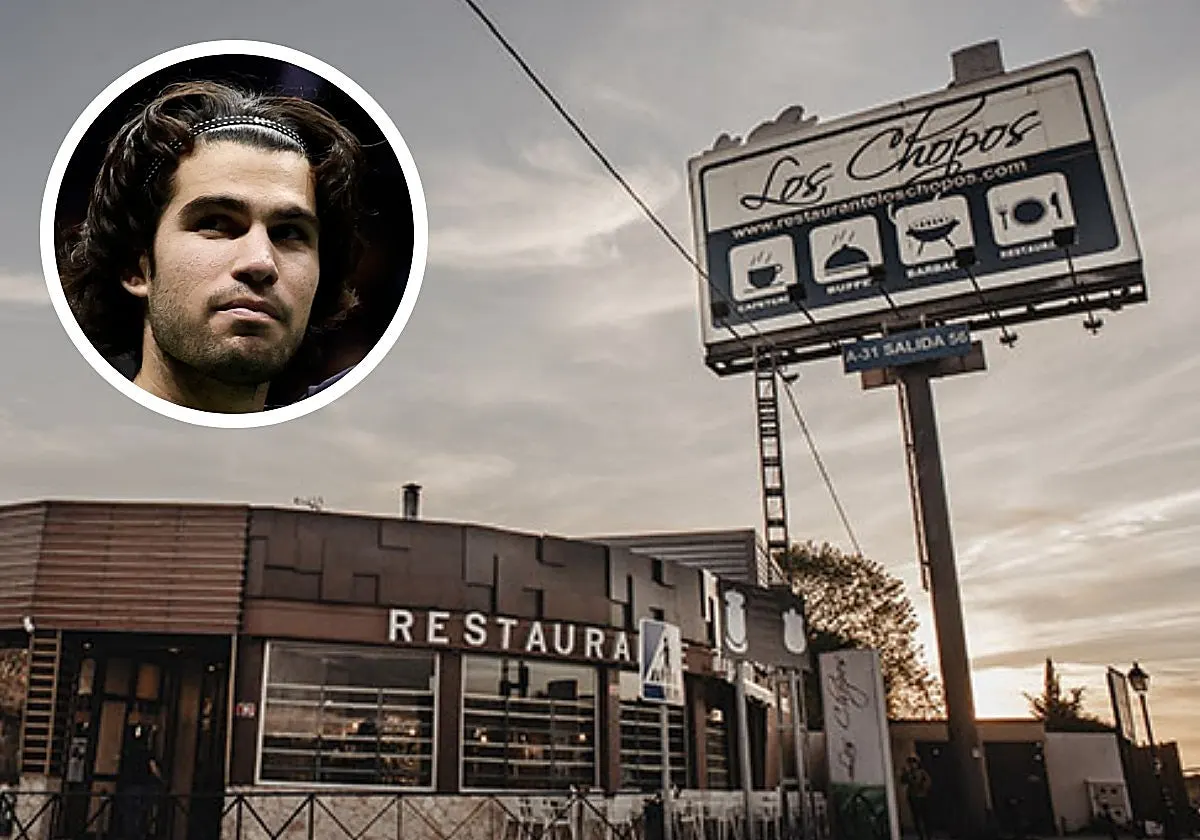
Spain's menú del día is in the spotlight again: is the set lunch dying?
Spain's beloved fixed-price lunch is all over TV debates and a new book. It's pricier and lives don't fit it anymore, so will the menú del día survive?
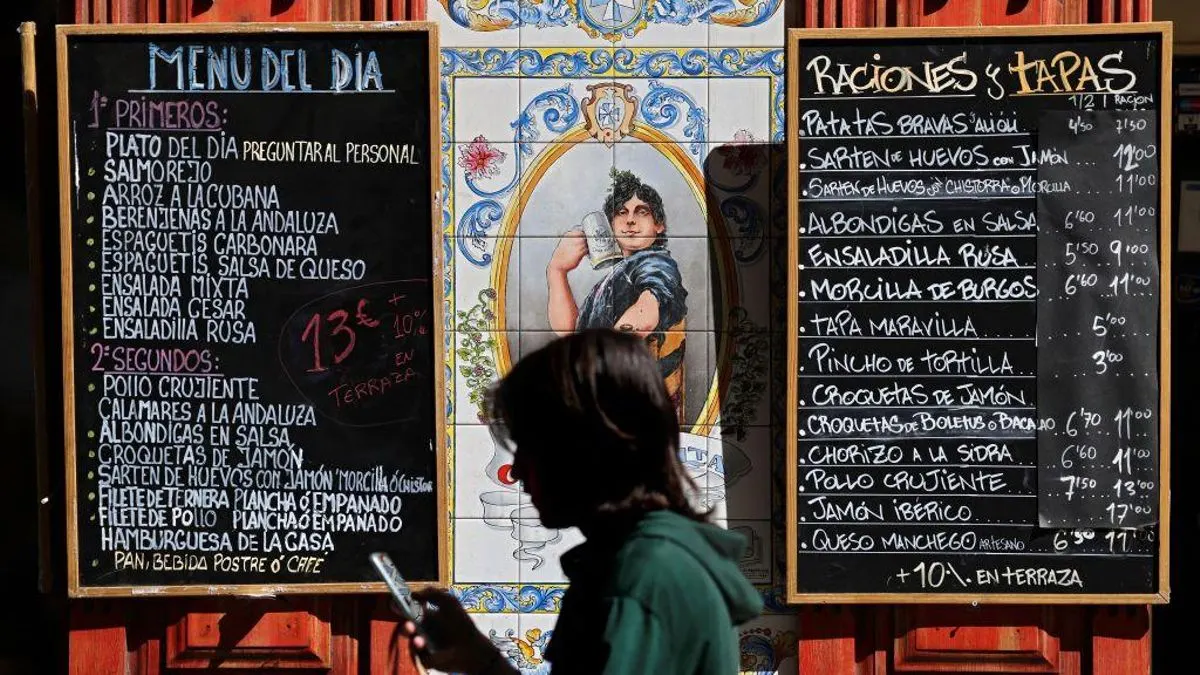
If you've ever eaten in Spain on a weekday, you know the scene: a bar full of workers, a chalkboard outside and a three-course lunch at a fixed price. That is the menú del día (Spain's set-price lunch menu). And lately, everyone seems to be asking if it has a future.
What happened?
Over the past few weeks, afternoon magazine shows, news programmes, cooking shows and morning talk shows have all made room for the same debate: is the menú del día running out of time?
Now journalist and writer Lakshmi Aguirre analyses this gastronomic formula in her new book. It is found in a big share of Spanish bars and restaurants, but it seems to have lost the appeal it enjoyed for decades.
Why is it losing its charm?
There are three main reasons. It is no longer as cheap as it used to be. The rhythms of daily life have changed. And so has the way people eat.
The title of the piece that covers the book hints at its history too: from a Francoist invention to promote tourism, to a working-class lunch. That is quite a journey for a plate of lentils and a dessert.
Has anyone called this before?
Yes. Chef Ferran Adrià declared the traditional menú del día dead or dying back in 2009, arguing that the format had to evolve. Always a man with his eye on the future, he was early, to say the least.
Because the menú has not breathed its last yet. Ironically, the attention the media is giving it right now is proof that it is still alive.
What's next?
Nobody has a definitive answer. What is clear is that the set lunch is being questioned more than ever, and that people are talking about it far beyond the dining room. Whether it adapts or fades, the debate says a lot about how Spain eats today.
Story timeline
Future of Spain's menú del día · 2 updates
What happened before and after this story. Background events not previously covered were summarised by AI.
More in: Food
See all →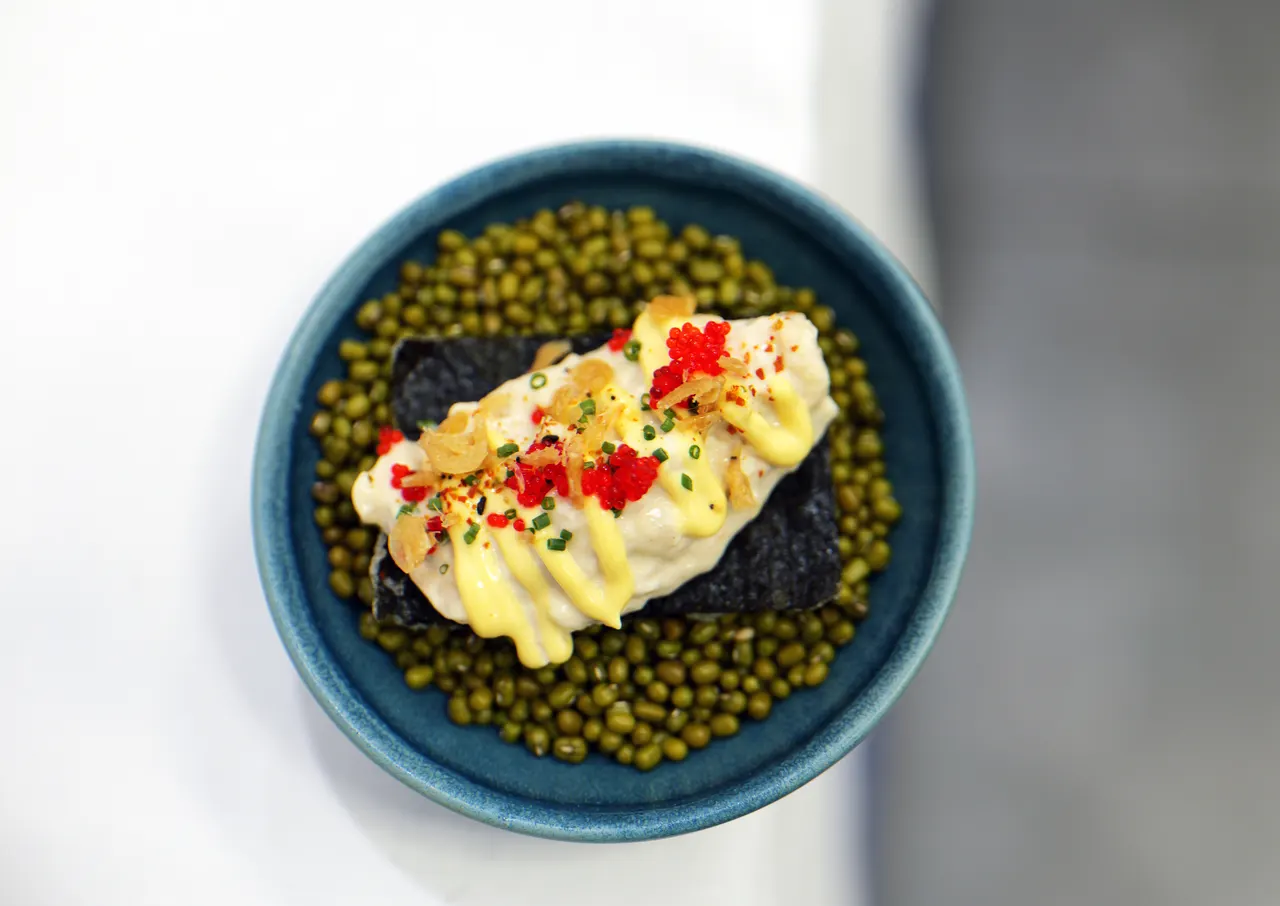
Marinated bonito, Japanese mayo and tobiko: Madrid's best ensaladilla of 2026
Kyochon's next move: a steamed chicken brand called Gamajjim, opening in Daegu
Jérôme Banctel, chef at Paris's Gabriel, named Gault&Millau chef of the year