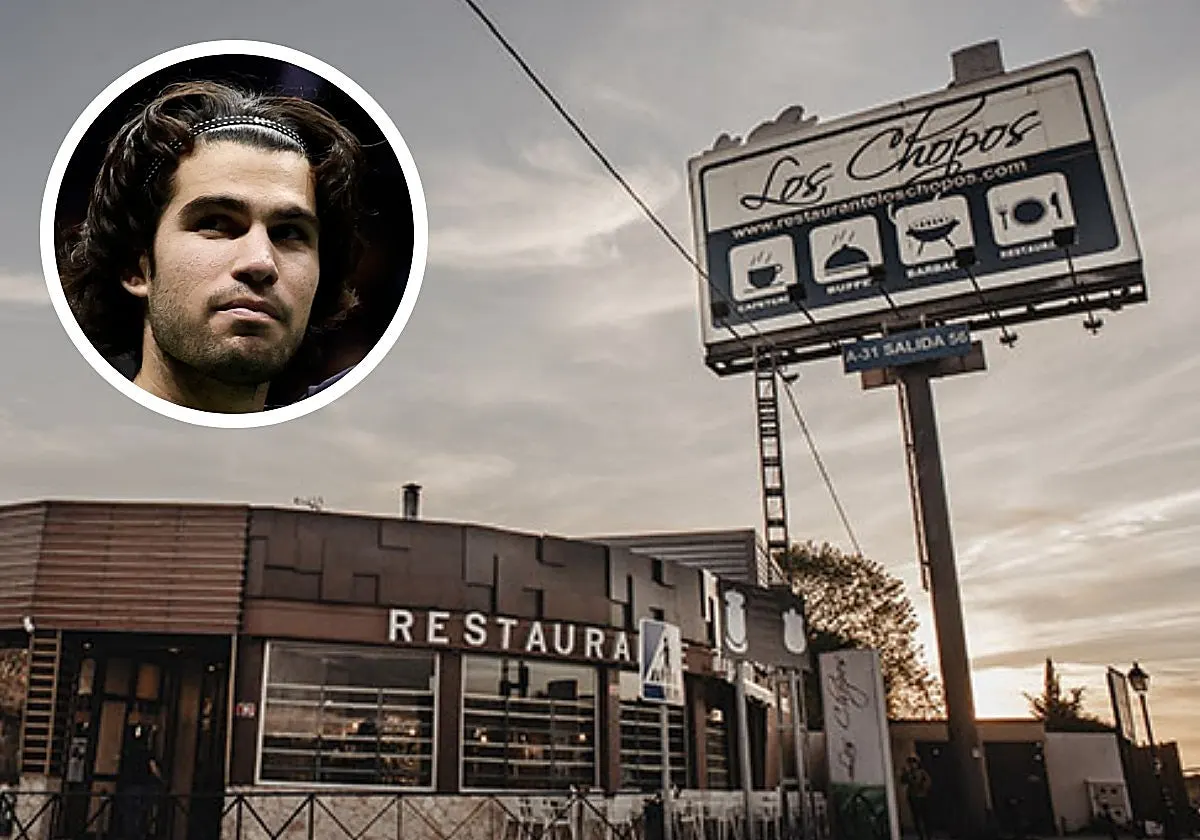
Ferran Adrià says Spain's traditional menú del día is dying
Chef Ferran Adrià argued that Spain's fixed-price weekday lunch, the menú del día, was dead or dying and that the format had to evolve.
This summary was written by AI to complete the context; it is not based on a current source.
Ferran Adrià, the Catalan chef behind the former elBulli restaurant and one of the most influential figures in modern gastronomy, publicly questioned the future of the menú del día. He described the traditional set lunch as dead or dying and argued that the format needed to change.
The menú del día is a fixed-price, multi-course weekday lunch, usually a starter, a main course, dessert, bread and a drink. Its origins are often traced to the 1960s, when the Spanish government introduced a regulated tourist menu. It later became a daily habit for office workers and a core business for small restaurants and bars across the country.
Adrià's remark mattered because of who made it. His comments pointed to rising food and labour costs, thin margins for restaurateurs and changing eating habits, and they set off a debate about whether the cheap three-course lunch could survive in its familiar form. That debate has returned repeatedly as prices have climbed and new formats have appeared.
Story timeline
Future of Spain's menú del día · 2 updates
What happened before and after this story. Background events not previously covered were summarised by AI.
More in: Food
See all →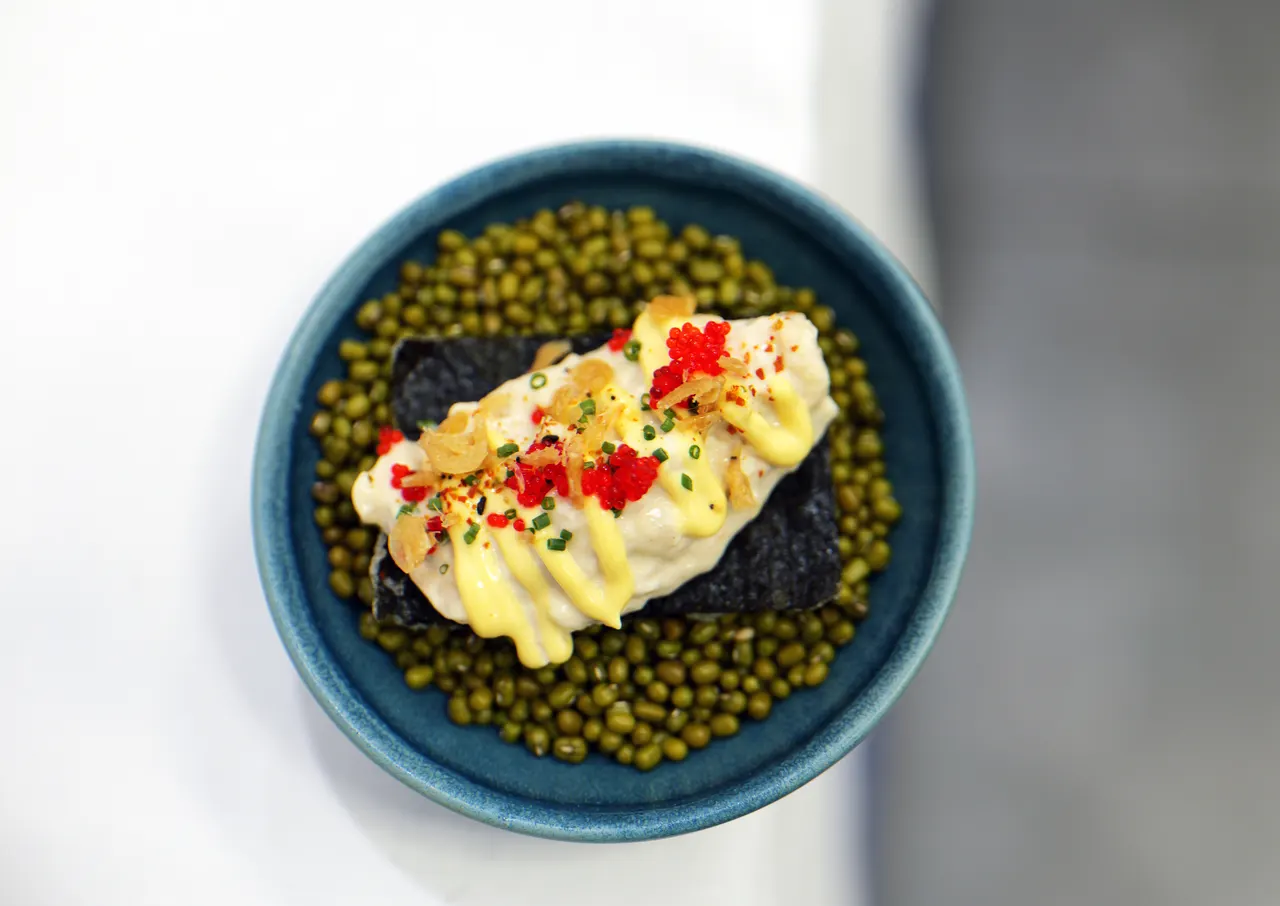
Marinated bonito, Japanese mayo and tobiko: Madrid's best ensaladilla of 2026
Kyochon's next move: a steamed chicken brand called Gamajjim, opening in Daegu
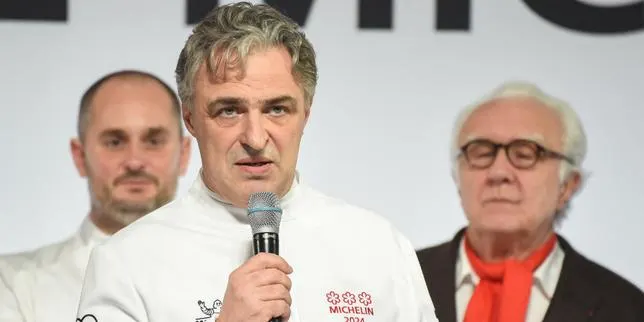
Jérôme Banctel, chef at Paris's Gabriel, named Gault&Millau chef of the year