El Niño could push up your supermarket bill from early 2027, Bank of England warns
The Bank of England says extreme weather linked to El Niño could add about 2 percentage points to UK food prices, with fruit and veg likely to rise first.
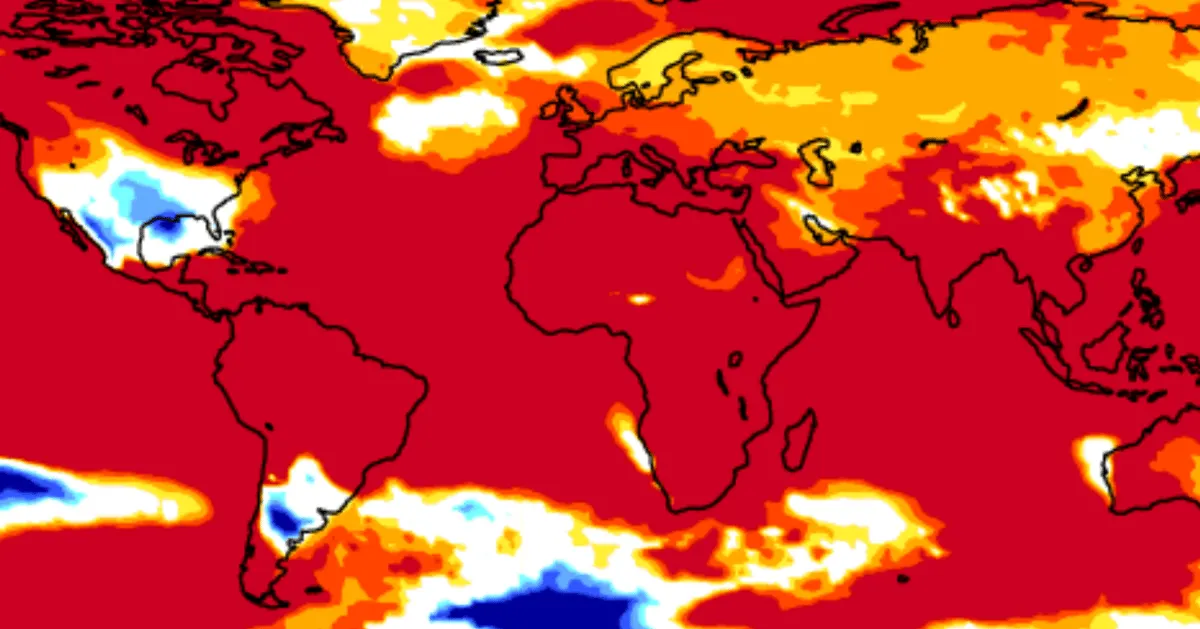
Your weekly shop could get more expensive next year, and the weather on the other side of the world is partly to blame. The Bank of England (the UK's central bank) says El Niño is likely to push up food prices in Britain.
Fruit and vegetables are expected to go up first.
What happened?
On Thursday, the Bank's Monetary Policy Committee raised interest rates from 3.75% to 4%. Alongside the decision, it published a Monetary Policy Report listing the factors behind it, and weather was one of them.
El Niño is a climate pattern in the Pacific that can bring extreme weather around the world. The Bank says it can hit crop yields in some regions while boosting them in others. Overall, it expects upward pressure on global farm prices and, in turn, on UK food prices.
Around a quarter of UK food imports come from regions exposed to El Niño. That is roughly 10% of the country's total food supply.
When will you notice it?
Not straight away. The Bank's contacts suggest the effect could start in early 2027, first through fresh products such as fruit and vegetables. Broader effects would then build over several quarters.
Price rises could show up in supermarkets, convenience stores, other food outlets and restaurants. They could last for many months.
This summer's European droughts and heatwaves should have only a modest impact, the Bank says, even though about 60% of UK food imports come from Europe. The timing limited damage to winter wheat and barley, though some summer crops fared worse.
Combined, the heatwaves and El Niño could lift food prices by around 2 percentage points at the peak in 2028. That would add about 0.3 percentage points to overall CPI inflation (the main measure of rising prices).
What else is in the mix?
The Bank also warned that El Niño could add pressure to global energy markets. It could cut biofuel production, limit hydroelectric and nuclear power, and raise demand for cooling and irrigation. Lower water levels in inland waterways could disrupt transport too.
This comes as many households already struggle with living costs. Some could see mortgage bills rise by £600 a year after the rate rise.
What came before?
The Bank raised rates to 5.25% in August 2023, the highest since 2008. It first cut them in August 2024. Thursday's rise is the first in three years.
Story timeline
Bank of England interest rate hike · 4 updates
What happened before and after this story. Background events not previously covered were summarised by AI.
More in: Money
See all →
South Korea plans a housing supply help center to unstick stalled home builds

Putin puts four Japan Tobacco factories in Russia under temporary control

Lotte Himart kicks off its biggest appliance sale of the year, running through Nov. 30