Bank of England raises interest rates to 4% for the first time in three years
The Bank of England has lifted its base rate from 3.75% to 4%, the first rise since August 2023, and warned another hike is likely if the US-Iran war drags on.
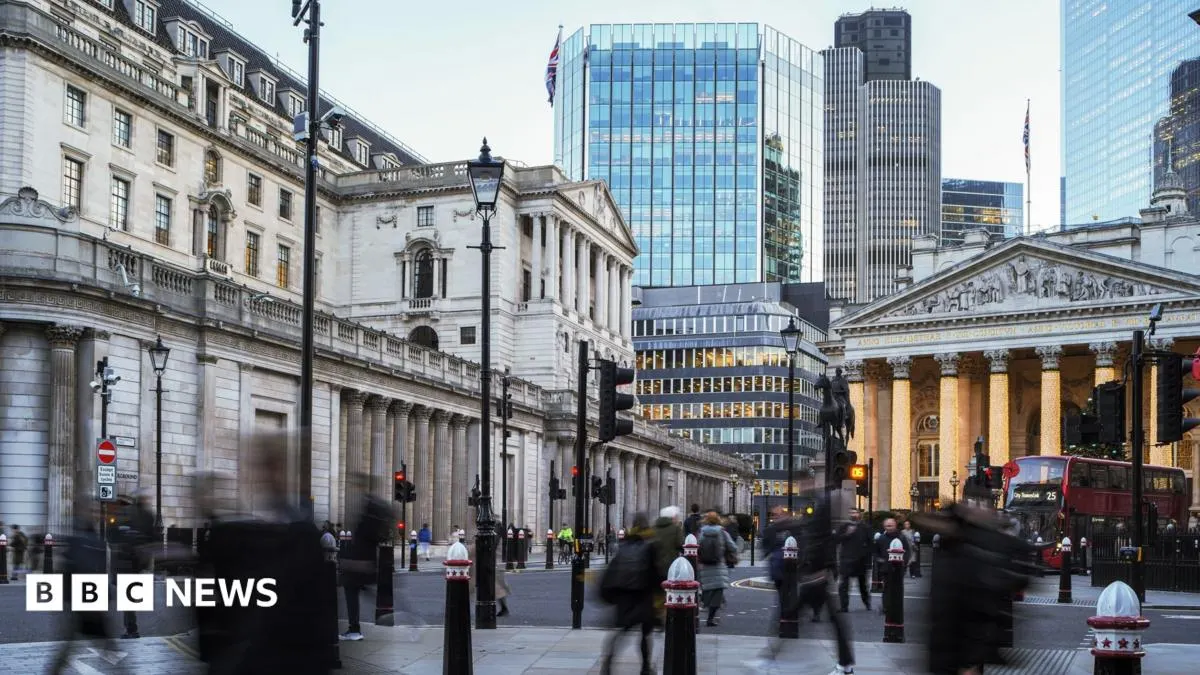
Borrowers, brace yourselves. The Bank of England has raised interest rates for the first time in more than three years, and its governor says this may not be the last rise.
The Bank's base rate went from 3.75% to 4% on Thursday. That's the first increase since August 2023.
What happened?
Eight of the nine members of the Bank's rate-setting committee voted for the rise to 4%. The ninth wanted a bigger jump, to 4.25%.
The main reason is energy. The US-Iran war has pushed up global oil prices, and fuel costs are feeding into inflation. Prices rose 3.5% in the year to September 2026, well above the Bank's 2% target. The Bank now expects inflation to peak at 4.9% in the middle of next year and not return to 2% until 2028.
Governor Andrew Bailey said the move "shouldn't be seen as the first in an inevitable long sequence of hikes". But he added that unless the conflict in the Middle East is resolved, it doesn't seem likely to be the last.
What does it mean for your money?
Borrowing gets pricier. That covers mortgages, loans and credit cards. Savings rates should improve, though.
According to UK Finance, a trade body for banks, about 510,000 people on tracker mortgages will pay roughly £31 more a month. People on fixed deals won't see any change for now. Those on variable rates will feel it depending on what their lender does. A 0.25-point rise typically adds about £14 a month.
Patrick Bryson, a guitar teacher from Brighton, is coming off a 3.51% fixed deal. The best offer he can find is 5.17%, which will lift his payments from £1,420 to £1,680 a month from February. "That's a bit of a slap in the face," he said.
What's next?
The committee isn't united on what comes after this. Clare Lombardelli sees a case for another rise in the near term. Megan Greene suggested further hikes could follow, depending on wages, prices and jobs. Alan Taylor called this a "one-for-now" insurance hike.
In a worse scenario, where the war escalates and oil gets even dearer, the Bank says inflation could hit 6.2% in 2027. The Bank also said there is limited evidence so far that higher fuel costs are pushing up prices for things like food.
Bailey said any further move will depend on real progress towards settling the conflict, and on how energy prices and inflation develop.
A quick look back
Rates peaked at 5.25% in August 2023, the highest since 2008. They were first cut in August 2024 and gradually came down to 3.75%, until now.
Story timeline
Bank of England interest rate hike · 4 updates
What happened before and after this story. Background events not previously covered were summarised by AI.
More in: Money
See all →
South Korea plans a housing supply help center to unstick stalled home builds
Putin puts four Japan Tobacco factories in Russia under temporary control

Lotte Himart kicks off its biggest appliance sale of the year, running through Nov. 30