Court returns to Heian-kyo after Kiyomori's failed Fukuhara capital in 1180
In late 1180, about six months after Taira no Kiyomori moved the court to Fukuhara, the capital was moved back to Heian-kyo, today's Kyoto.
This summary was written by AI to complete the context; it is not based on a current source.
In mid-1180, the warlord Taira no Kiyomori, the dominant figure at the imperial court, moved the young Emperor Antoku and the court from Heian-kyo (modern Kyoto) to Fukuhara, on the coast of present-day Kobe. The site gave the Taira clan easy access to the Seto Inland Sea and to the sea trade they relied on, and it kept the court away from the powerful Buddhist monasteries around Kyoto.
The plan did not hold. Fukuhara lacked the palaces and infrastructure of a real capital, and many nobles objected to the move. Meanwhile, resistance to Taira rule spread. A rebellion called by Prince Mochihito earlier that year was followed by uprisings led by Minamoto no Yoritomo in eastern Japan, and the great temples near Kyoto and Nara remained hostile.
Around the end of 1180, after roughly six months, the court returned to Heian-kyo. Kiyomori died in 1181, and the Genpei War between the Taira and Minamoto clans continued until the Taira defeat in 1185. The short-lived Fukuhara capital is why archaeologists in Kobe still search for traces of its streets and buildings.
Story timeline
Fukuhara-kyo road remains found in Kobe · 3 updates
What happened before and after this story. Background events not previously covered were summarised by AI.
More in: Culture
See all →
Heweliusz creators are making a Netflix series on Poland's 'skin hunters' scandal
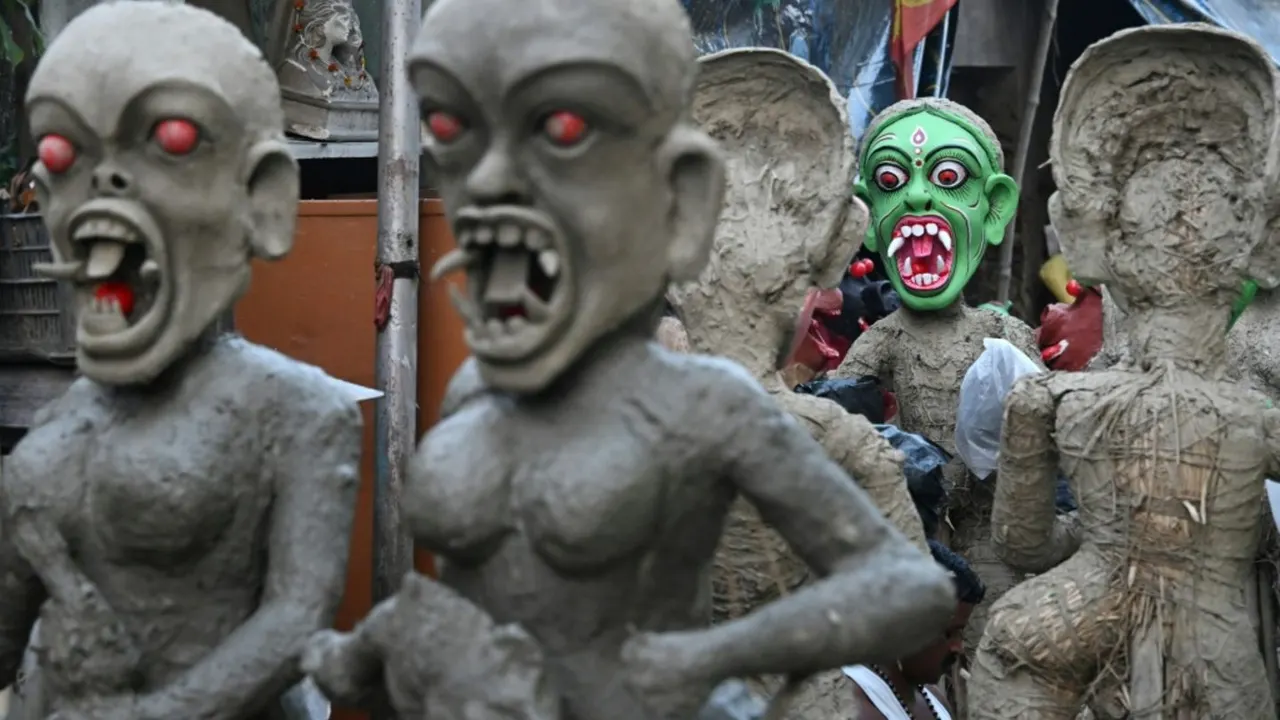
Demon statues line up in Kolkata as Diwali, the festival of lights, nears

Stranded 340 years ago: 24 Jeju sailors drifted 31 days to Vietnam and came home