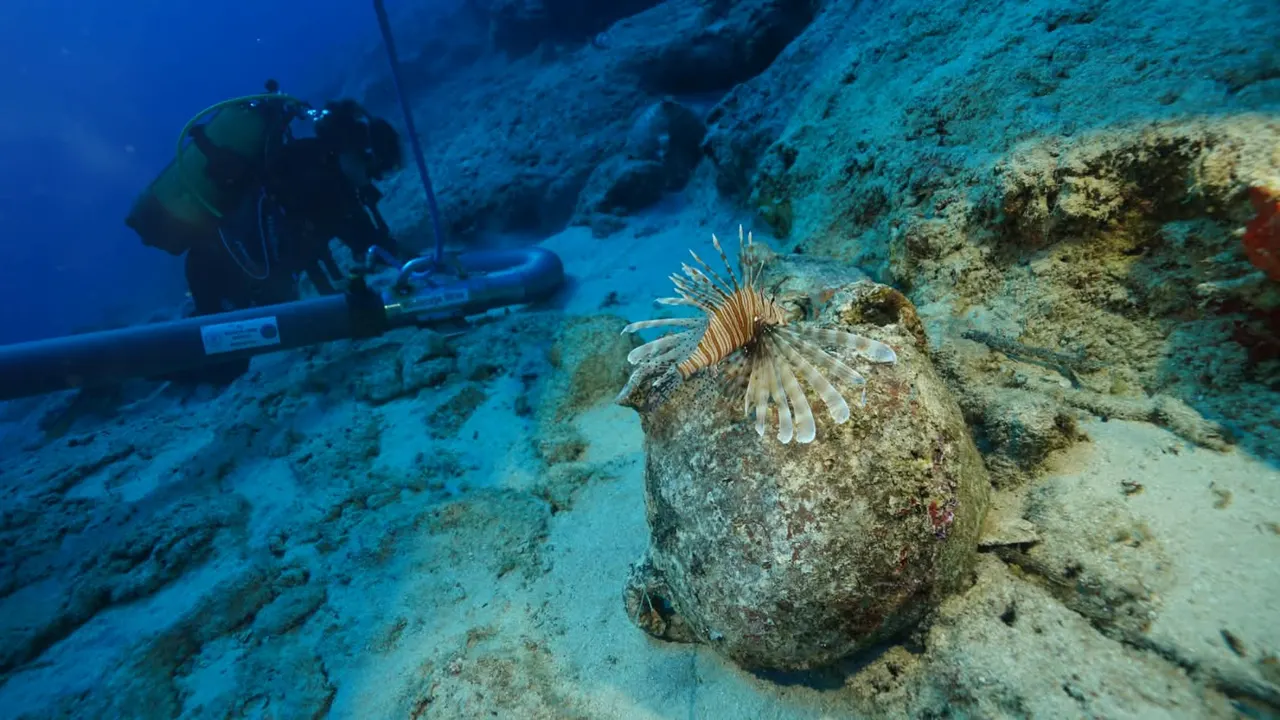
Stranded 340 years ago: 24 Jeju sailors drifted 31 days to Vietnam and came home
In 1687, a storm swept 24 Jeju seafarers to Vietnam. A new book retraces Korea's longest sea drift and the island spirit that kept them alive.
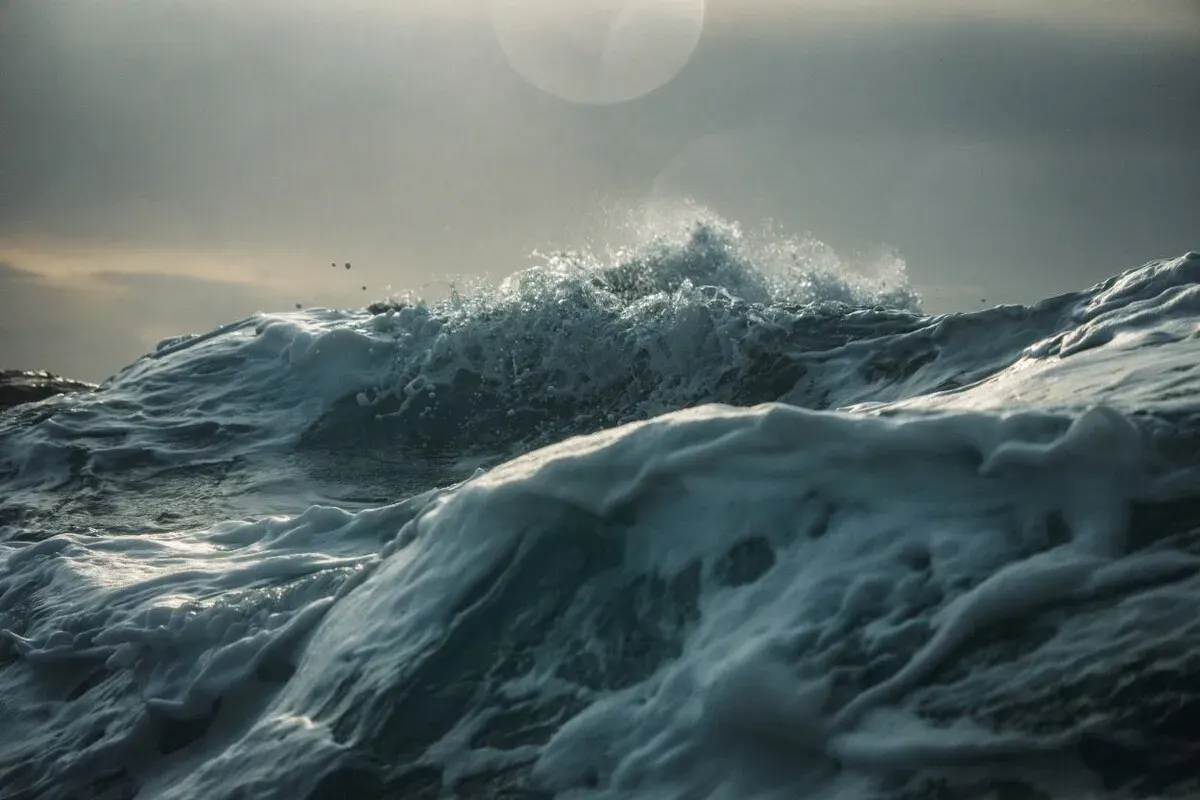
Imagine setting out to deliver three horses and ending up on the other side of the South China Sea. That is what happened to 24 people from Jeju (South Korea's southern island) in 1687. A new book now tells their story.
What happened?
On the 3rd day of the 9th lunar month in 1687, a ship left Hwabuk port on Jeju. It carried three tribute horses, raised on a state pasture on the slopes of Hallasan, the island's mountain, and meant for the royal court.
Before reaching Haenam on the mainland, a violent gale hit. The crew lost their sails and oars and were pushed far out to sea.
They drifted for 31 days before reaching Cham Island, off Hoi An in Vietnam. Islanders rescued them, and the Vietnamese king let them stay in Hoi An. Eventually they boarded a Chinese merchant ship and made it back to Jeju, about 16 months after leaving. It is recorded as the longest sea drift in Korean history.
What kept them alive?
The book is called Jeju Haemin's Vietnam Drift Account (published by Purungil). Its author, Kim Oh-jin, who heads the Jeju Climate Culture Institute, points to what he calls "haemin spirit". Haemin means islanders who live in their own ways with the sea. The spirit is their outlook: self-reliance, a pioneering streak and mutual help.
He sees the same thing in Jeju's haenyeo (women divers). They are ranked by skill, yet they leave a shared area called "halmang-badang" for older divers or those who cannot go deep.
All 24 survived the drift despite severe shortages of water and food. Officer Kim Dae-hwang, horse keeper Park Geun-rip and helmsman Yi Deok-in were among them. Each used their skills and leaned on the others.
Three later died of illness in Hoi An's hot, humid climate. When an official suggested splitting the remaining 21 across several Chinese ships, they begged to stay together. According to the Tamramunkyeollok, they said: "We want to live and die together. How could we bear to be separated?"
How was it reconstructed?
Kim, a Seogwipo native and former geography teacher with a doctorate, studied four historical records, from 1696 to 1805. This January he retraced the route through Hwabuk port, Chuja Island, Vietnam and China.
The book also covers Jeju's history and daily life, and 17th-century Vietnam. Kim credits the Vietnamese king's protection, local kindness, and help from Chinese merchants and officials for getting them home.
He calls the book "a small voyage" to bring back the memory of East Asia's maritime world and the traces left by nameless Jeju people.
More in: Culture
See all →
The New Yorker slams Los Javis' 'La bola negra': 'Not a monument, a failure'
A gold-and-silver pocket watch once owned by King Farouk is on show in Alexandria
Writer Alexander Tsypkin becomes the voice of a video tour of 50 Russian museums