Alstom's TGV M delayed as testing and certification overran
Entry into service of Alstom's next-generation TGV M was pushed back because tests and safety certification took longer than planned.
This summary was written by AI to complete the context; it is not based on a current source.
The TGV M, built by the French manufacturer Alstom and marketed as the Avelia Horizon, is the next-generation high-speed train ordered by the state-owned railway operator SNCF. The order, placed in 2018, covered 100 trainsets, and the new fleet was meant to replace ageing TGVs on the country's main high-speed lines.
In the early 2020s, the schedule for bringing the train into passenger service began to slip. Test runs on the French network took longer than expected, and the certification process, which requires approval from the national rail safety authority before a train can carry passengers, was not completed on time. Manufacturers must prove that a new train meets safety and reliability standards across many kinds of track and signalling.
The delays mattered because SNCF had counted on the TGV M to add capacity, cut energy use and lower operating costs. Postponing it meant older trains had to stay in service longer, and it raised questions about how quickly the operator could renew its fleet as competition on French high-speed routes was opening up.
Story timeline
SNCF next-generation TGV enters service · 3 updates
What happened before and after this story. Background events not previously covered were summarised by AI.
More in: Life
See all →
Seoul's children's museum reopens its main gallery after 8 years
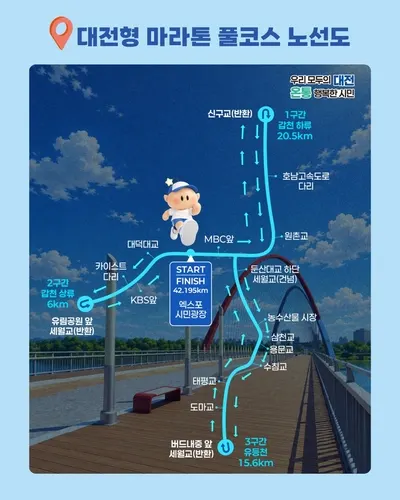
Daejeon is building a full marathon course along its three rivers
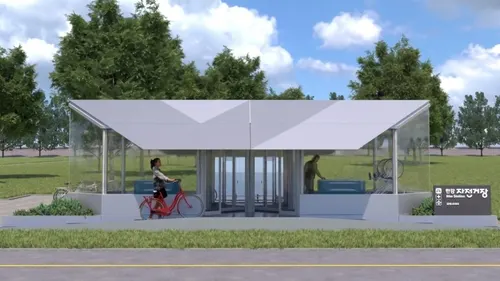
Seoul opens a free Han River bike station with repair tools next to a ferry pier