Study tests Yeongdong illite as filler in solid-state battery electrolytes
A 2024 paper in the journal Coatings examined illite from Korea's Yeongdong region as a filler in polymer solid electrolytes for lithium-ion batteries.
This summary was written by AI to complete the context; it is not based on a current source.
In 2024, researchers published a paper in Coatings, a peer-reviewed materials-science journal, that tested illite from the Yeongdong region of South Korea as a filler in polymer-based solid electrolytes for lithium-ion batteries.
Illite is a naturally occurring clay mineral. In solid-state battery research, inorganic fillers are often mixed into a polymer electrolyte to try to improve properties such as ion transport, stability and mechanical strength. The study looked at whether a locally sourced clay could play that role, rather than a more expensive synthetic additive.
The work was a laboratory-scale materials study, not a commercial product or a measurement of how much illite exists in the ground. It mattered because it linked a domestic mineral resource to a possible use in next-generation batteries, a field where South Korea has major manufacturers. That link is the background to later reports of a very large illite deposit in the country and to the discussion of what such a resource could be used for.
Story timeline
Giant illite deposit found in South Korea · 2 updates
What happened before and after this story. Background events not previously covered were summarised by AI.
What are you in the mood for?
Five little things made by the people behind Mulemo.
My brain wants a workout
SUMO: tap the tiles, add them up, hit the target. Dangerously easy to start.
 SUMOTry it
I want to finally speak that language
Dialo: chat with an AI partner that corrects every sentence and tells you why.
 DialoTry it
I need a gift and I have no idea
giftdetect: say who it is for and get ideas from real shops in minutes.
 giftdetectTry it
Give me the tech gossip
Osegi: curious tech news from around the world, in your language.
 OsegiTry it
I stare at EDI files for a living
ediviewer: reads EDIFACT and X12 like a normal document. On Mac and Windows.
 ediviewerTry it
More in: Curious
See all →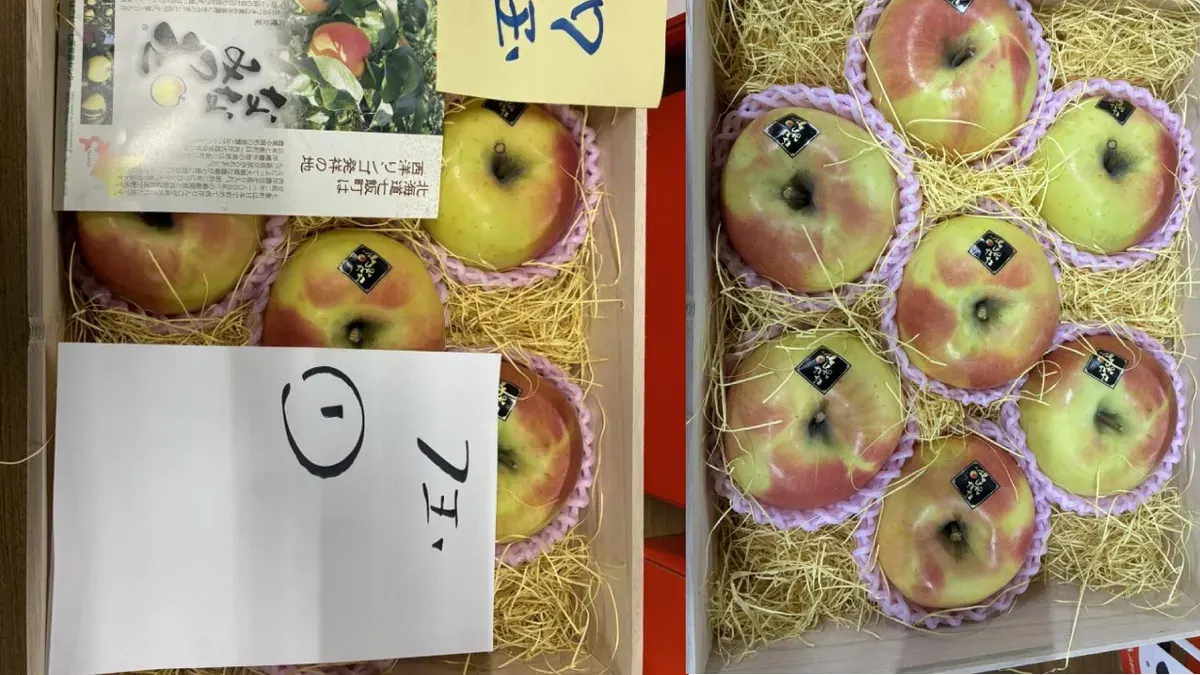
Seven Hokkaido apples sold for 100,000 yen at the year's first auction

Surprise siblings and secret fathers: 7 things people learned from DNA tests

Bundeswehr opens an online shop – and the camo rubber duck sold out fast