South Korea finds the world's biggest known illite deposit, 20 times China's
A 104.5-million-tonne illite deposit in Yeongdong is the largest known anywhere, about 20 times China's. The clay is used in everything from batteries to saunas.
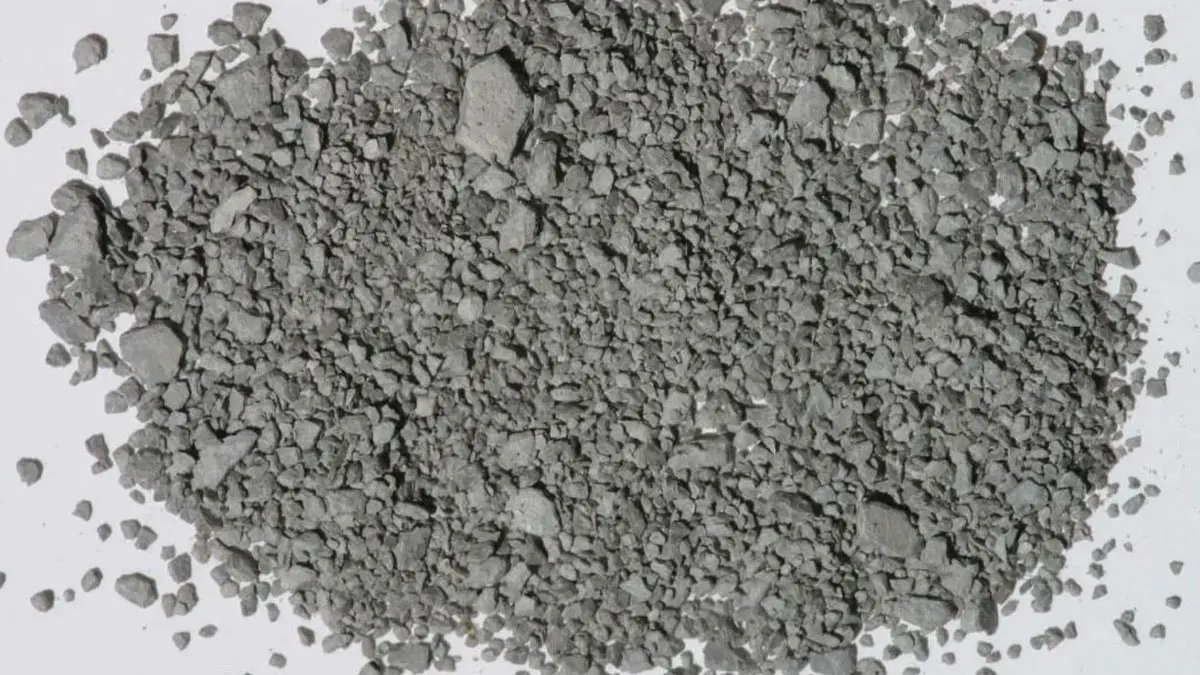
Not gold, not silver, but clay. South Korea has found the largest known deposit of illite in the world, and it is huge.
The deposit lies in the Yeongdong region and holds 104.5 million tonnes. That is roughly 20 times the 5-million-tonne reserve reported in China.
What is illite, anyway?
It is a clay mineral you have probably never heard of. It is not geologically rare. It forms in sedimentary rocks such as sandstone, mudstone and shale, and it turns up on every continent.
What makes it valuable is the mix of properties in one material. Its particles are no wider than two microns, and its thin, plate-like structure makes it very soft. It can withstand temperatures of up to about 600 degrees Celsius.
It also absorbs heavy metals and can break down organic compounds. Unlike other swelling clays, it keeps its shape when wet, which makes it easier to process.
Why does it matter?
Illite is used in drilling fluids that stop oil and gas wells from collapsing. It also goes into paper and paint fillers, cosmetics and medicines.
Batteries are the newer angle. A 2024 study in the journal Coatings tested illite from Yeongdong as a filler in polymer-based solid electrolytes for solid-state lithium-ion batteries. At the right concentration, it performed competitively with other materials still in development.
Illite is not classed as a strategic metal. Even so, a deposit this size gives Korean manufacturers a reliable domestic source of raw material. It is expected to cut the country's dependence on clay mineral imports from China significantly.
There is a tourism angle too. Illite saunas at a health centre near Yeongdong railway station are drawing plenty of visitors.
What's next?
Before illite can go into batteries, it needs a lot of processing. That means grinding, bleaching and surface treatment, followed by chemical steps such as acid leaching and crystallisation. Potassium and aluminium can also be separated out to adapt it for other uses.
Elsewhere in Korean mining, the Sangdong tungsten mine in Gangwon province restarted production in March 2026 after more than 30 years. It now processes about 640,000 tonnes of ore a year.
Story timeline
Giant illite deposit found in South Korea · 2 updates
What happened before and after this story. Background events not previously covered were summarised by AI.
What are you in the mood for?
Five little things made by the people behind Mulemo.
My brain wants a workout
SUMO: tap the tiles, add them up, hit the target. Dangerously easy to start.
 SUMOTry it
I want to finally speak that language
Dialo: chat with an AI partner that corrects every sentence and tells you why.
 DialoTry it
I need a gift and I have no idea
giftdetect: say who it is for and get ideas from real shops in minutes.
 giftdetectTry it
Give me the tech gossip
Osegi: curious tech news from around the world, in your language.
 OsegiTry it
I stare at EDI files for a living
ediviewer: reads EDIFACT and X12 like a normal document. On Mac and Windows.
 ediviewerTry it
More in: Curious
See all →
Seven Hokkaido apples sold for 100,000 yen at the year's first auction

Surprise siblings and secret fathers: 7 things people learned from DNA tests

Bundeswehr opens an online shop – and the camo rubber duck sold out fast