Siberian fox experiment adds a line bred for aggression
Around 1970, researchers in Novosibirsk began breeding aggressive foxes alongside tame ones, creating two opposite lines for comparison.
This summary was written by AI to complete the context; it is not based on a current source.
The Siberian fox experiment began in 1959 at the Institute of Cytology and Genetics in Novosibirsk, led by Soviet geneticist Dmitri Belyaev. His team bred silver foxes on fur farms, choosing only the animals that reacted least fearfully or aggressively to humans. Over generations, the foxes became increasingly tame.
Around 1970, the researchers added a second line. Instead of selecting only for tameness, they also began breeding the foxes that showed the strongest aggression toward people. This produced two populations descended from the same farm stock but with sharply opposite behaviour, alongside a conventional farm-bred group.
The addition mattered because it allowed direct comparison. Scientists could study how selection for a single behavioural trait shaped differences in the animals' biology, including stress hormones, physical appearance and, later, genes and brain function. Belyaev believed that selecting for temperament could explain changes seen during animal domestication. The paired tame and aggressive lines have since been a key resource for researchers examining the biological basis of social behaviour, and they form the background to later brain studies of these animals.
Story timeline
Siberian tame fox experiment and aggression · 3 updates
What happened before and after this story. Background events not previously covered were summarised by AI.
More in: Curious
See all →
Two goats got a job at a Tokyo train station, and commuters are watching

He found a Renaissance facade in his new house and will get over €1 million
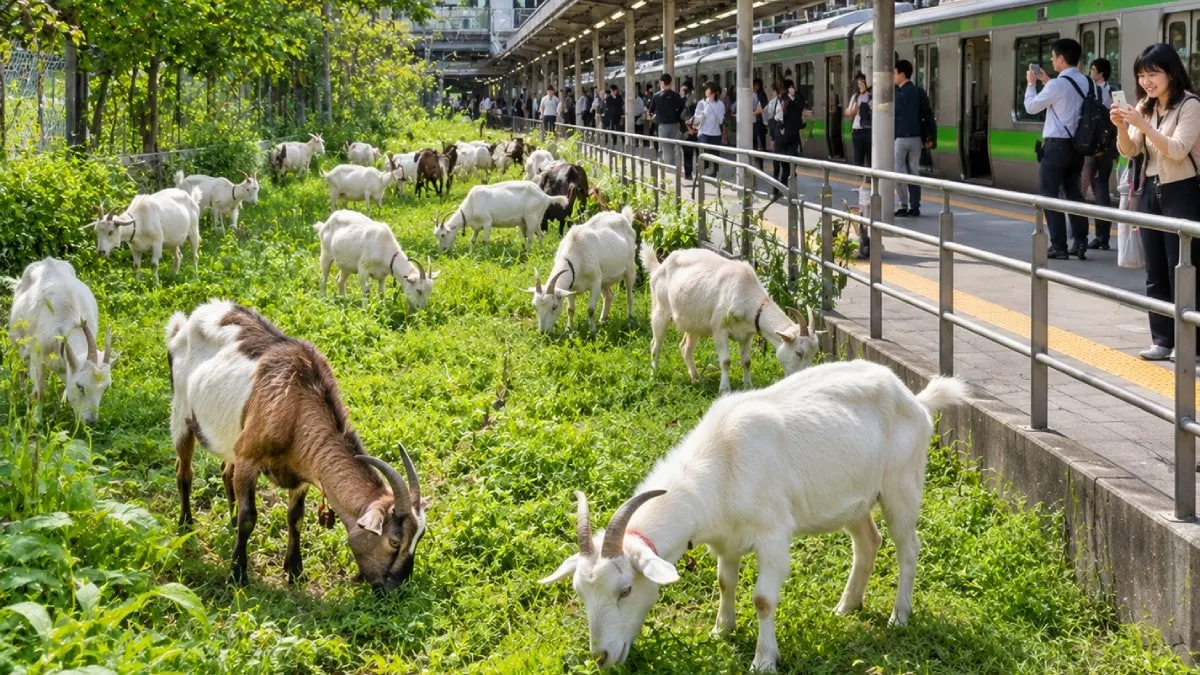
Tokyo station hires two goats to mow its weeds, and commuters can't look away