Japan makes child car seats mandatory for children under six
On 1 April 2000, Japan's revised Road Traffic Act took effect, requiring child restraint seats for children under six riding in cars.
This summary was written by AI to complete the context; it is not based on a current source.
On 1 April 2000, an amendment to Japan's Road Traffic Act came into force, making child restraint seats compulsory for children under six years old travelling in private cars. Japan was among the later developed countries to adopt such a rule, which followed similar laws in Europe and North America.
The law required drivers to ensure that young children were secured in a seat suited to their size, rather than being held in an adult's lap or fastened with an ordinary seat belt. Drivers who failed to comply faced demerit points on their licence, although no direct fine applied. Exemptions covered cases such as when a child could not safely use a seat because of illness or disability, or when no suitable seat could be fitted, as in taxis and buses.
The rule mattered because it set the legal baseline for child passenger safety in Japan. The age-based threshold of six has remained the central standard since then, and it is the criterion now being reconsidered as officials look at whether height or other measures would protect children better.
Story timeline
Japan child safety seat requirements review · 2 updates
What happened before and after this story. Background events not previously covered were summarised by AI.
More in: Life
See all →
Seoul's children's museum reopens its main gallery after 8 years
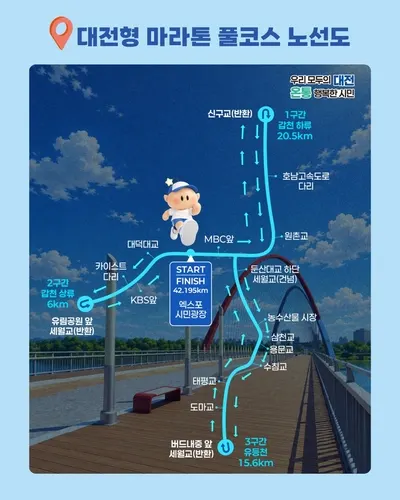
Daejeon is building a full marathon course along its three rivers

Seoul opens a free Han River bike station with repair tools next to a ferry pier