Hollywood now wants an AI plan from VFX studios, says Avatar's Weta FX chief
Studios once banned generative AI outright. Now, says the CEO of Weta FX, they won't work with effects houses that lack an AI strategy.
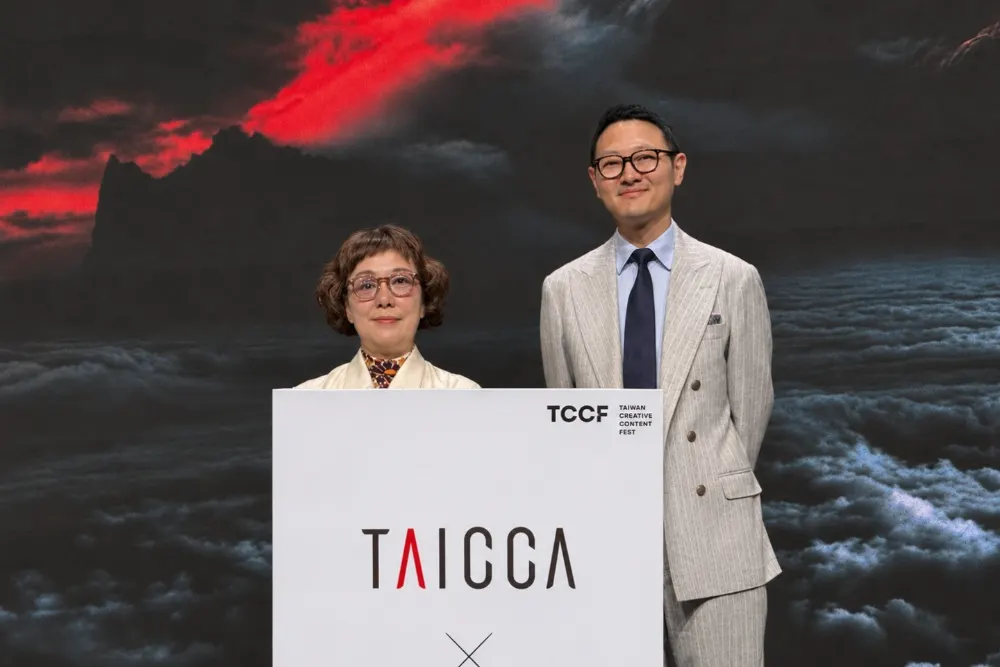
Not long ago, Hollywood lawyers told effects studios to keep generative AI away from their films. Now the mood has flipped. According to Daniel Seah, CEO of Weta FX, the studio behind "The Lord of the Rings" and "Avatar", clients have a new message: no AI strategy, no job.
What happened?
Seah spoke to press in Taipei on Friday, after Weta FX signed a partnership with the Taiwan Creative Content Agency (TAICCA, the island's content-industry body). The deal was announced at Taiwan Creative Content Fest.
He said that in early 2025, every major studio sent a memo, mostly from its legal department, saying generative AI could not be used on their work at all. By mid-2025, some clients allowed it with pre-approval and only with a few companies. Around the turn of this year, they started asking about Weta's AI plans, mostly to see how much money the technology could save.
Since the third quarter, Seah said, the line has been: "If you don't have an AI strategy, don't bother to work with us." Weta's clients are mainly the Big Four studios and the streamers.
What is Weta actually doing?
To move faster, Weta is working with Taiwanese animation and VFX company Moonshine Studio, which it has partnered with for about six months. Seah said Weta has no plans to replace artists. The aim, he said, is to "enhance and increase more workflow".
Chief technology officer Kimball Thurston said Weta is building its own AI models, "not necessarily the like ChatGPT-type of model". It also uses outside video tools such as Kling AI and ByteDance's Seedance where clients allow it, hosted outside China for security reasons.
Under the deal, TAICCA and Taiwan's Ministry of Culture will spot young talent for possible internships at Weta offices in Wellington, Melbourne and Vancouver. Weta also said it is likely to open a London office.
Why does it matter?
This is a big turn from the cautious years. In 2024, Lionsgate signed an AI video deal with Runway. In 2025, Disney and Universal sued Midjourney over copyright. Studios were wary, even as they experimented.
Thurston also said Weta started an open-source project that records which datasets a model used. And he thinks audiences still want human performance: people will watch an actor play an ape or a Na'vi, he said, because "people want to go see the actor perform."
Story timeline
Hollywood studios embrace generative AI in VFX · 3 updates
What happened before and after this story. Background events not previously covered were summarised by AI.
More in: Film & TV
See all →
Kamen Rider studio Toei sets generative AI rules and plans first video games
Chris Evans and Chris Hemsworth are heading to Seoul for Avengers: Doomsday
India's costliest film, Ramayana, is finally out, and critics are split