Dubreuillosaurus valesdunensis named from a Normandy fossil skeleton
In 2005 palaeontologists gave the Normandy theropod its own genus, Dubreuillosaurus, after earlier study of the skeleton from the Caen area.
This summary was written by AI to complete the context; it is not based on a current source.
In 2005 French palaeontologists formally named the meat-eating dinosaur Dubreuillosaurus valesdunensis, based on a skeleton found in Normandy, northern France. The fossil came from Middle Jurassic limestone, roughly 167 million years old, in the Caen region.
The animal had earlier been described in 2002 under a different name, as a second species of Poekilopleuron, a theropod (a bipedal predatory dinosaur) known from Normandy since the nineteenth century. Closer study of the bones, led by the researcher Ronan Allain, showed that it differed enough to deserve a genus of its own. The species name refers to the locality where it was discovered.
The naming mattered because Dubreuillosaurus is one of the best-preserved European theropods of its age. It belongs to the megalosaurids, a group of large Jurassic predators that includes Megalosaurus from England. Its long, low skull and relatively complete skeleton gave scientists useful evidence about how these early large carnivores evolved. The specimen's scientific value is why its later fate drew public attention in France.
Story timeline
Dubreuillosaurus fossil saved from auction · 3 updates
What happened before and after this story. Background events not previously covered were summarised by AI.
More in: Culture
See all →
Flying Free: the club anthem built on purpose now gets a documentary
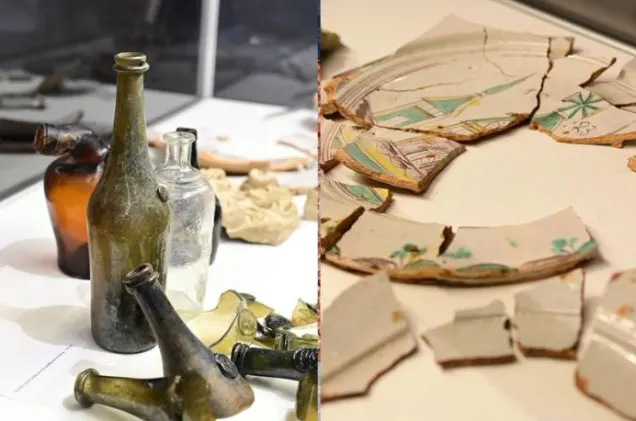
Musket balls from 1794 found in central Warsaw, and that's not all

Çakallarla Dans director on why he makes big decisions in Berlin, not Istanbul