Musket balls from 1794 found in central Warsaw, and that's not all
Archaeologists digging near Plac Krasińskich in Warsaw found traces of an 18th-century battle, plus ruins of tenements destroyed in 1944 and a 17th-century forge.
Under a future building site in the middle of Warsaw, archaeologists have found a layered record of the city's turbulent past. The oldest traces go back to 1794.
The dig is taking place where two new buildings are planned, by Plac Krasińskich and Świętojerska street.
What did they find?
The oldest finds date from the Kościuszko Uprising of 1794, the Polish revolt against Russian rule. The Masovian conservator of monuments (the regional heritage officer) says a sizeable battle took place right here. Warsaw residents fought Russian troops who were trying to push through towards the Citadel, and locals blocked their way.
The souvenirs of that fight are musket balls, and not just a few of them.
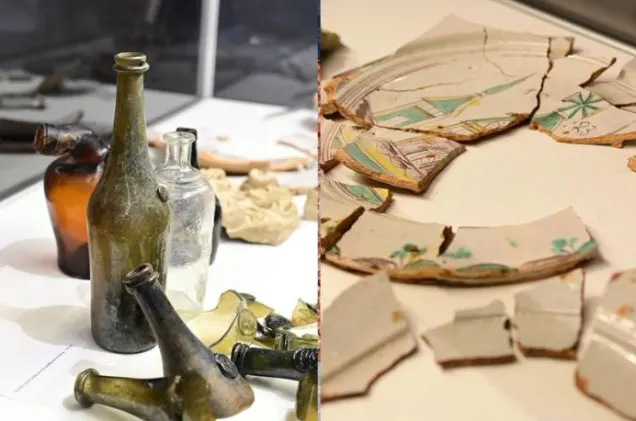
The team also uncovered the walls of 19th-century tenement houses destroyed during the Warsaw Uprising of 1944. Among the ruins lay everyday objects: glass, porcelain, ceramics and tools.
There were also scorched bricks and the structure of a furnace from a forge that operated in the 17th century. Printing matrices are especially intriguing. They suggest that 19th-century Długa street was packed with workshops, small shops and little businesses.
Why does this spot matter?
Świętojerska street once marked the border between Old and New Warsaw, while Długa was one of the main roads heading west. Nearby stood the Krasiński Palace. In the 18th century the first National Theatre operated here, founded by King Stanisław August.
For a long time gardens, stables and farm buildings dominated the area. In the 19th century that changed radically: tenements went up, annexes were added and open space shrank to small courtyards.
What happens next?
All finds now go to specialists for detailed analysis. Every object is measured, described and compared with similar items from Poland and Europe.
Researchers want to work out where each piece came from, when it was made, and whether it was common or rare.
Story timeline
Archaeological finds at Plac Krasińskich, Warsaw · 3 updates
What happened before and after this story. Background events not previously covered were summarised by AI.
More in: Culture
See all →
Flying Free: the club anthem built on purpose now gets a documentary

Çakallarla Dans director on why he makes big decisions in Berlin, not Istanbul

17 films, 100+ young jurors: Doha Film Festival unveils its Ajyal lineup