Why your trench coat has a flap on the back, and what its other details are for
That little cape across the shoulders isn't decoration. It's a storm shield from the trenches, and nearly every other detail on a trench coat solves a real problem.
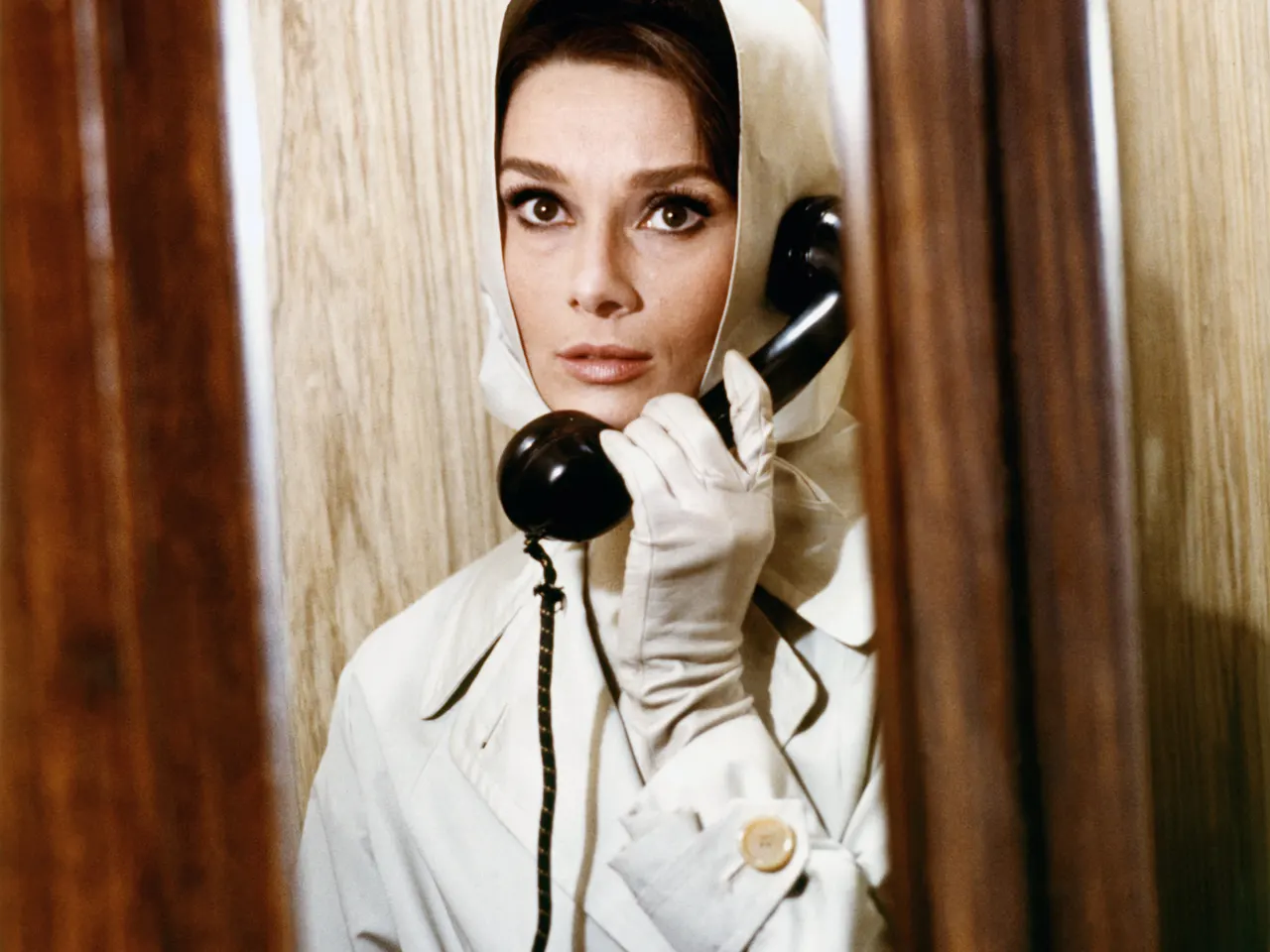
Look at the back of your trench coat. See that half-flap across the shoulders? It has been there for more than a century, and it has a name: the storm shield.
It isn't decoration. It lets rain run off the coat instead of pooling in it. And it's just the start: almost nothing on this autumn classic was designed for looks.
What is that flap, exactly?
The storm shield descends from waterproof capes the army used before the coat took its modern shape. The Victoria and Albert Museum points to another ancestor: the coachman's greatcoat, with similar flaps, sometimes soaked in grease or oil to repel water.
The fabric came first, though. In 1879, Thomas Burberry developed gabardine, a water-resistant, breathable cotton twill, after watching Hampshire shepherds protect their clothes with lanolin. His trick was to waterproof the threads before weaving them, not the finished cloth.
Every detail has a job
The double-breasted front blocks wind and rain. Wide lapels can be turned up and buttoned to the neck. The gun flap on the chest added a layer of cloth to cushion a rifle's recoil.
The belt has metal D-rings, so officers could hang maps and binoculars from it. Cuff straps stopped water getting in at the wrists. Shoulder straps showed rank, raglan sleeves helped movement, and the back vent let you walk, run or ride a horse.
Burberry wasn't alone in the race, either. Charles Macintosh and Thomas Hancock made a rubberised cotton in the 1820s, but it trapped sweat and smelled bad. John Emary, founder of Aquascutum ("water shield"), patented an alternative in 1853.
From the Arctic to the trenches
In 1893, Norwegian explorer Fridtjof Nansen wore gabardine on his Arctic expedition. Ernest Shackleton later took Burberry on Antarctic trips, even sheltering in tents made from the same cloth. A military historian quoted by the Smithsonian called it "the Gore-Tex of its day".
As we reported earlier, the coat became standard wear for British officers in the First World War, and that's how it got its name. Officers paid for it themselves: three to four pounds, two or three months of a private's pay.
There was a catch. Its colour and shape made officers easy for German snipers to spot. By the end of the war, 17% of British officers had died, against 12% of other ranks.
As for the Spanish name, "gabardina" points to the fabric, while "trench coat" points to where it was worn.
Story timeline
History of the trench coat · 3 updates
What happened before and after this story. Background events not previously covered were summarised by AI.
More in: Curious
See all →
Two goats got a job at a Tokyo train station, and commuters are watching

He found a Renaissance facade in his new house and will get over €1 million

Tokyo station hires two goats to mow its weeds, and commuters can't look away