Why Gandhi said no to celebrating independent India's first Diwali in 1947
Three days before Diwali 1947, Gandhi rejected a refugee woman's idea of celebrating. Days later he spoke to Kurukshetra's camps on radio, his only Delhi studio visit.
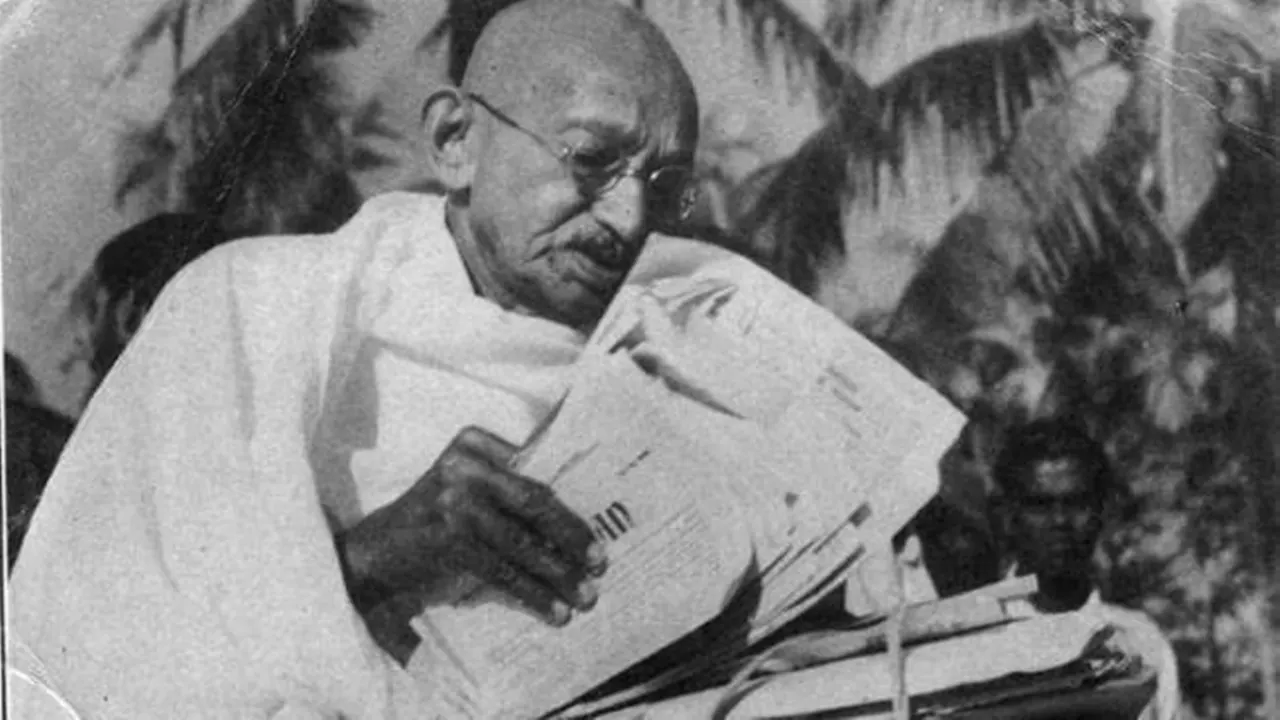
Independent India's first Diwali fell on November 12, 1947, just 89 days after Independence. Mahatma Gandhi did not want it celebrated with lamps and fireworks. He wanted it spent on service to refugees.
What happened?
On November 9, three days before the festival, Gandhi replied to a letter from a woman who was herself a refugee. She had suggested people set aside their sorrows and celebrate. Gandhi admired her spirit but disagreed. A family struck by grief would normally skip festivities, he argued, so why treat the suffering of displaced people as someone else's sorrow?
On Diwali day itself, he went to Broadcasting House in New Delhi to address refugees at Kurukshetra over the radio. Akashvani (All India Radio) records it as his first and only visit to its Delhi studio. He opened with the words "My suffering brothers and sisters".
"Today is Diwali. But there can be no lighting of chirags for you or for anyone," he said. Service, he told them, was the best way to mark the day. He also urged camp residents to keep sanitation, share rations fairly and cooperate with officials.
Why was the mood so heavy?
Partition had uprooted families and communal violence had pushed people into camps. Reports at the time estimated 1.3 lakh (130,000) refugees from West Pakistan reached Delhi within a week of Independence. Muslim residents of the city were displaced too, seeking safety at places like Purana Qila and Humayun's Tomb.
On November 4, Prime Minister Jawaharlal Nehru wrote to Home Minister Sardar Vallabhbhai Patel that the condition of refugees in Delhi was "very bad" and the railway station was overflowing.
What else did Gandhi say?
At his evening prayer meeting, Gandhi spoke of Rama and Ravana as the forces of good and evil. Lighting lamps, he said, had to come with a change within. "Today there is no Ramarajya in India. So how can we celebrate Diwali?" he asked.
He also called for safe return for all. "Diwali cannot be celebrated till you bring back all the Muslims who have fled in fear," he said, adding that Pakistan must do the same for Hindus and Sikhs.
On November 13, he said he was glad to hear that Delhi had seen few electric lights this year. Oil lamps were lit in some places.
Story timeline
Gandhi's first Diwali after Independence · 3 updates
What happened before and after this story. Background events not previously covered were summarised by AI.
More in: News
See all →
Sonia Gandhi's memoir reveals two secret cancer scares and surgeries abroad
Slovak couple on a birthday trip tried to save a wounded woman in Kraków
Renfe drivers' strike hits Madrid and Barcelona commuter trains on Tuesday