Why do we buy water? One question reshaped an Egyptian engineer's career
A bottle of water in Saudi Arabia made Egyptian engineer Mohamed Attia switch fields. His path ran through Japan, Denmark and the US to a global water expert.
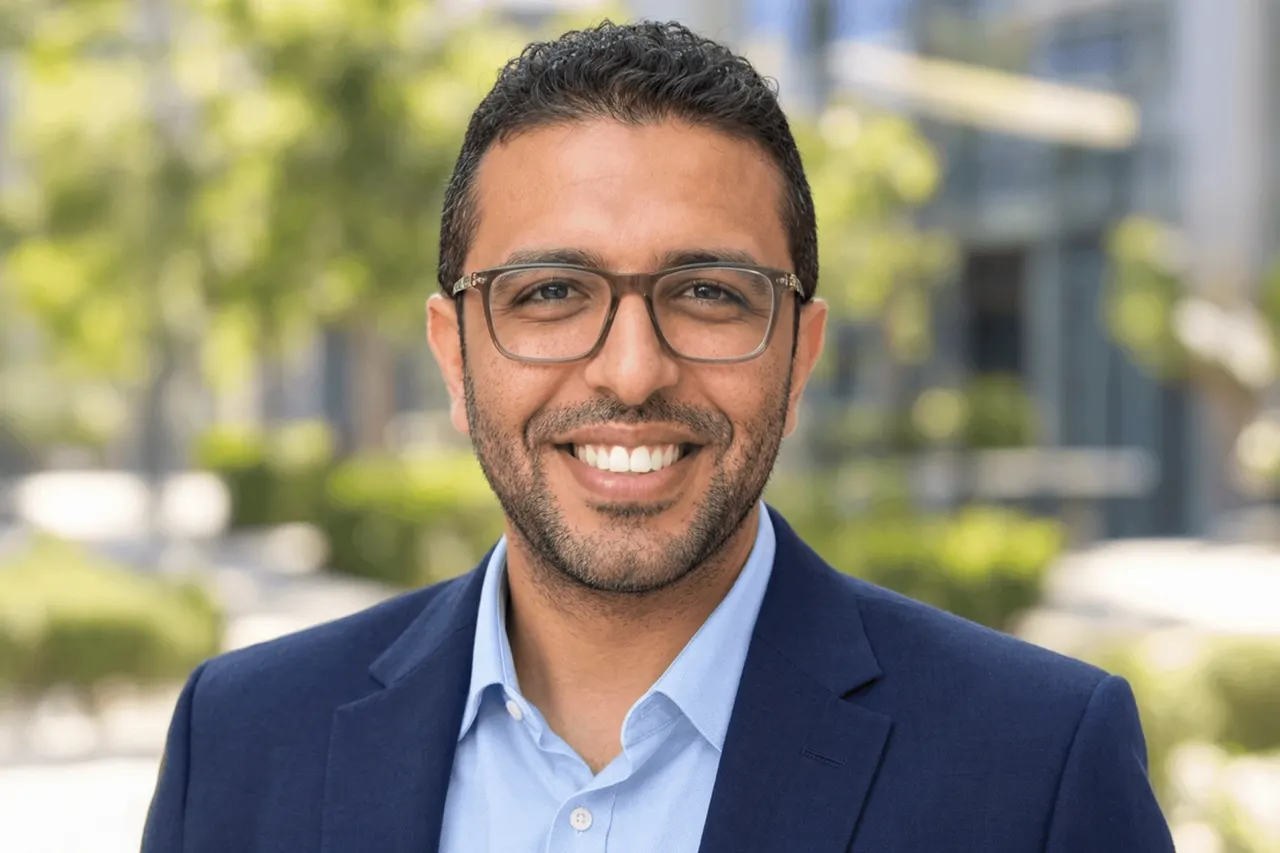
Why do people pay for bottled water when there is a tap at home? For Egyptian researcher Mohamed Attia, that simple question became a career. It took him from agricultural engineering to water treatment, across three continents.
What happened?
Attia was living in Saudi Arabia when he noticed that tap water there wasn't drinkable. People bought bottled water or had it delivered to their homes. "That was the spark," he says.
He had graduated in environmental and agricultural engineering in 2009. His master's in Saudi Arabia, he says, wasn't a success, but it pushed him toward new fields. He started studying environmental engineering, a world away from what he had trained in.
How did he get there?
From Saudi Arabia, Attia applied for scholarships and won two: one in Germany and one in Japan. He chose Japan because it offered both a master's and a PhD. There he moved into environmental and civil engineering, which he calls the first turning point of his career.
He also fell for chemistry. He spent time in the chemistry department in Copenhagen and ended up mastering two fields: environmental engineering and materials chemistry.
The awards followed. He took first place for best doctoral thesis at Tokyo Institute of Technology, first place in the Honda Young Scientist and Engineer award, and an outstanding postdoc award at Clemson University in the US. The American Academy of Environmental Engineers and Scientists also named him in its "40 under 40" programme.
In 2022 he joined the US Environmental Protection Agency. The job normally requires US citizenship, but he says he was given a special exception, and he was the only one. Later, as working conditions at the agency changed, he moved to private industry.
What is he doing now?
Today Attia is an environmental consultant at AECOM, an engineering and infrastructure firm, working on emerging contaminants: pollutants that traditional treatment struggles to remove. He is also a professor of chemical engineering at Rice University and an affiliated associate professor of mechanical engineering at the University of Washington.
He travels somewhere new every week. After Spain, next up is Australia, with visits to treatment plants in Sydney and Melbourne.
He also gives online seminars for audiences in Egypt in his own time. He admits that where some villages still need their first treatment plant, basic services come before advanced pollutants.
His advice is simple: focus fully on the stage you are in, so you are ready for the next one.
More in: Life
See all →
Trucks banned from the fast lanes on Turkish motorways: what the rule says

Pimple patches with stars and flowers: why people now show off their spots
Getting a driving licence in Turkey could cost up to 50,000 lira next year