Türkiye's new cheese rules: what's banned and what labels must say
Türkiye's Agriculture Ministry has rewritten the cheese rulebook: no starch or soy, no "village cheese" labels, and a cold chain. Here's what changes.
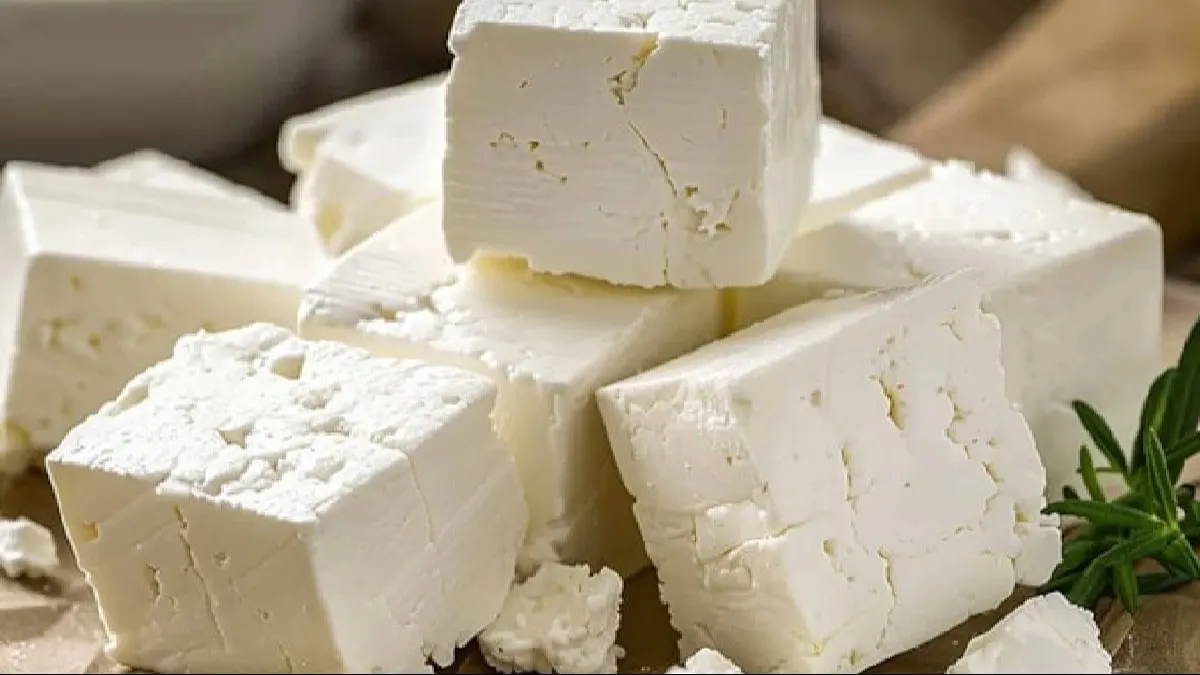
Türkiye's Agriculture Ministry has published a new Turkish Food Codex Cheese Communiqué in the Official Gazette. It replaces the 2015 version and rewrites the rules for how cheese is made, stored, labelled and sold. Here's what matters for your fridge.
1. Only milk in your cheese
Proteins other than milk protein, starch and starch-based products, gelatin and soy products are now banned in cheese production. So are animal and vegetable fats other than milk fat.
2. One small starch exception
Starch is still allowed in flavoured fresh cheeses, but only as a stabiliser and only in the amount the technology permits.
3. Raw-milk cheese must age four months
Cheeses made from raw milk or thermised milk (lightly heat-treated to cut bacteria), with an unboiled curd, can't be sold until they have matured for at least 4 months. If they are sold unmatured, the milk must at least be pasteurised. Those made without a pasteurisation-equivalent heat treatment must say "çiğ sütten üretilmiştir" (made from raw milk) on the label, in a set size.
4. Labels get more honest
The fat class and ripening status must appear next to the product name. Matured cheeses must show a full production date (day, month, year) and the ripening period. If milk from different animals is mixed, the types must be listed from largest share to smallest.
5. Goodbye, "village cheese"
Terms like "köy peyniri" (village cheese), "geleneksel peynir" (traditional cheese), "doğal peynir" (natural cheese) and "çiftlik peyniri" (farm cheese) can no longer be used. Kaşar (a popular Turkish semi-hard cheese) can only be called "eski" (aged) if it matured for at least 120 days.
6. Limits on flavourings
Total flavouring can't exceed 6% in flavoured cheeses or 15% in flavoured fresh cheeses. If sugar is added to a flavoured fresh cheese, the label must state the added sugar rate.
7. Keep it cold
Cheese must be kept below 10 degrees during storage, transport and sale. Selling processed cheese loose and handing telemes (an unripened cheese) straight to consumers are both banned.
8. The deadline: 30 April 2027
Existing food businesses have until 30 April 2027 to comply. Cheeses placed on the market before that date can stay on shelves until their shelf life ends, but sliceable processed cheeses that don't meet the new rules can't be sold after it.
In short, the cheese aisle is about to get a lot clearer, and a lot less poetic.
Story timeline
Türkiye's new cheese communiqué rules · 2 updates
What happened before and after this story. Background events not previously covered were summarised by AI.
More in: Life
See all →
A third of Poland's glass packaging ends up in landfill every year

One Piece dolls and Pokémon hagoita: a 190-year-old doll shop opens in Kamakura

JR East will let you walk through ticket gates without tapping from 2028