Tokyo's backstreets have almost no illegal parking. Here's why it works
In Akihabara and Kanda, packed with shops and bars, the narrow streets had no illegally parked cars. Japan's road death rate is 42% of South Korea's.
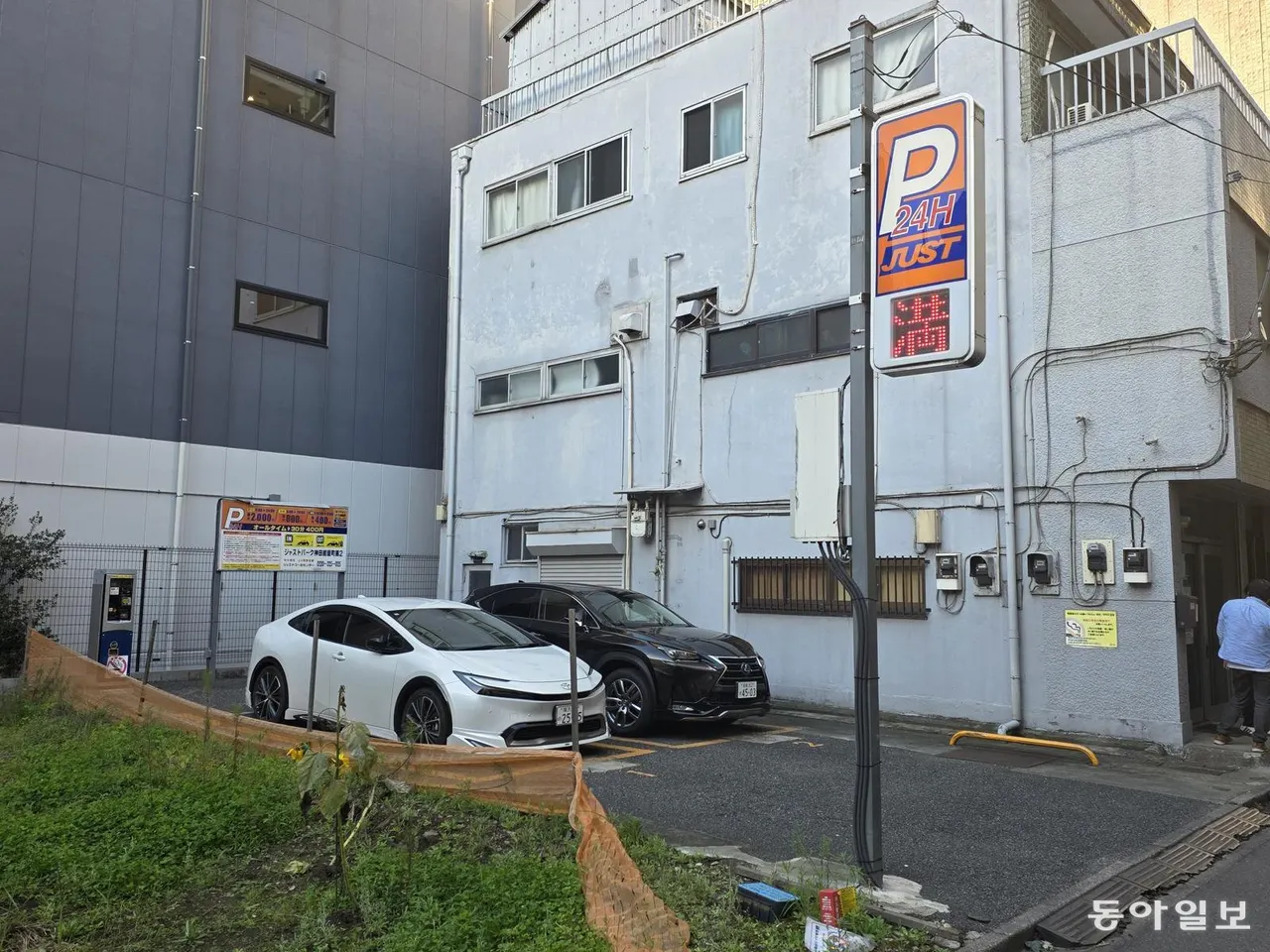
Picture Akihabara, Tokyo's famous anime hotspot in Chiyoda ward. Shops selling DVDs, figures and character goods are crammed side by side, and tourists flood in. Yet on October 28, a street about 20 metres wide had not a single illegally parked car.
The nearby Kanda station area, full of offices, restaurants and bars, looked the same. The few vehicles stopped at the roadside were mostly work trucks delivering goods to shops, not private cars.
The secret is small car parks. Tiny "micro" lots are tucked into the backstreets, with eight of them within 100 metres in one spot.
Why it matters
The rules behind it are old. Since 1962, Japan's garage certificate law has required car buyers to prove they have an off-street parking space before registering a vehicle. In 2006, a revised Road Traffic Act brought in private parking monitors who issue illegal-parking notices.
The safety gap is striking too. Last year Japan had 2.06 road deaths per 100,000 people, against 4.9 in South Korea, or 42.0% of the Korean figure.
Story timeline
Tokyo micro parking lots curb illegal parking · 3 updates
What happened before and after this story. Background events not previously covered were summarised by AI.
What are you in the mood for?
Five little things made by the people behind Mulemo.
My brain wants a workout
SUMO: tap the tiles, add them up, hit the target. Dangerously easy to start.
 SUMOTry it
I want to finally speak that language
Dialo: chat with an AI partner that corrects every sentence and tells you why.
 DialoTry it
I need a gift and I have no idea
giftdetect: say who it is for and get ideas from real shops in minutes.
 giftdetectTry it
Give me the tech gossip
Osegi: curious tech news from around the world, in your language.
 OsegiTry it
I stare at EDI files for a living
ediviewer: reads EDIFACT and X12 like a normal document. On Mac and Windows.
 ediviewerTry it
More in: Life
See all →
Japanese local government brings in ¥20,000 fines for abandoned suitcases

Why people travel for hours to buy bread in a tiny Basque village
Richmond upon Thames named Britain's happiest place to live, but it costs you