Systematic excavations begin at Abric Romaní Neanderthal site in Catalonia
Modern systematic excavations at the Abric Romaní rock shelter in Capellades began in the early 1980s, revealing many Neanderthal hearths.
This summary was written by AI to complete the context; it is not based on a current source.
In 1983, systematic excavations began at Abric Romaní, a rock shelter in Capellades, near Barcelona in Catalonia, Spain. The site had been known earlier, but this campaign introduced a modern, long-term approach to digging and recording it, led by Spanish archaeologists linked to the University Rovira i Virgili and Catalan research institutions.
The work uncovered a thick sequence of occupation layers, dated to roughly 40,000 to 70,000 years ago. Within them were numerous Neanderthal hearths, along with stone tools, animal bones and traces of wood use. Because the shelter sits beside a travertine formation (a porous limestone deposit), many remains were sealed and unusually well preserved.
The excavations mattered because they allowed researchers to study how Neanderthals organised space, not only what they left behind. Mapping hearths and the objects around them made it possible to ask where people cooked, worked and rested. This long record of fieldwork is the foundation for later studies, including recent research on how activity areas were arranged inside the shelter.
Story timeline
Neanderthal hearths at Abric Romaní · 3 updates
What happened before and after this story. Background events not previously covered were summarised by AI.
More in: Curious
See all →
Two goats got a job at a Tokyo train station, and commuters are watching
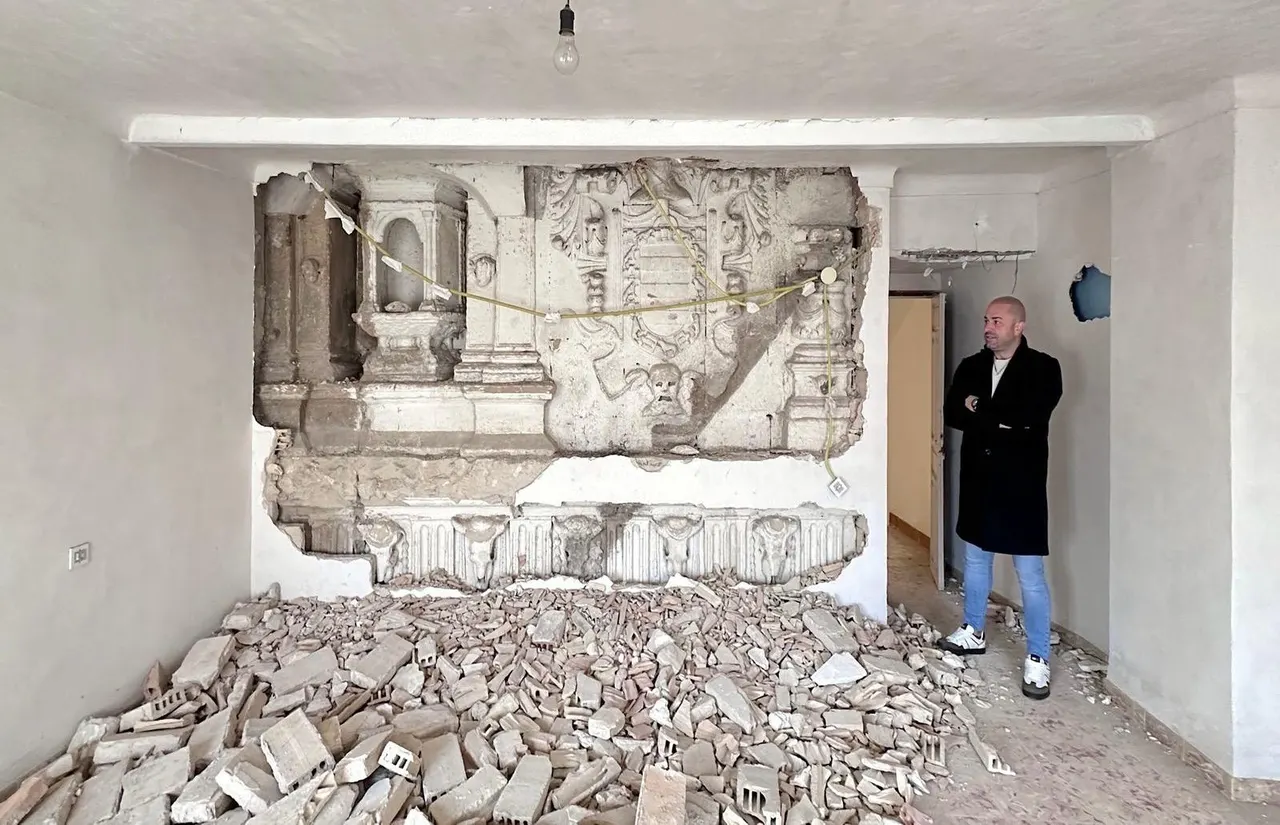
He found a Renaissance facade in his new house and will get over €1 million

Tokyo station hires two goats to mow its weeds, and commuters can't look away