Stanford's new AI report: 'seeing is no longer believing' for photos and video
Stanford's five-yearly AI100 report says AI-made images, voices and video are breaking a century-old trust in recordings. Here are the main findings.
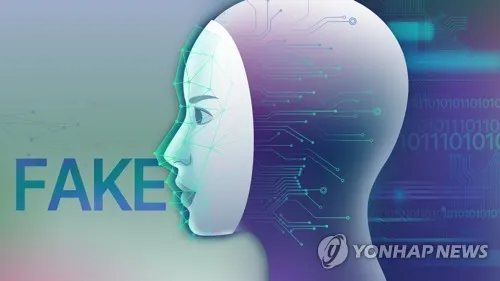
Stanford University's AI100 project has published its third report, five years after the last one. Its verdict: "Seeing is no longer believing." AI100 is a long-term study launched in 2014 that reviews AI's impact every five years, with earlier reports in 2016 and 2021 ("Gathering Strength, Gathering Storms"). The new one, from Stanford's Institute for Human-Centered AI, looks at the era of scaling up and the rise of generative AI. Here are the key points.
1. A century-old trust system is cracking
For about 100 years, people have treated photos, audio and video as reliable records. The report says AI-generated media is getting harder and harder to tell apart from the real thing.
2. Sexual deepfakes have exploded
Non-consensual sexual deepfake images and videos rose by 1,600% between 2023 and 2025, just two years. Deepfakes are also being used to interfere in elections around the world and to produce child sexual abuse material.
3. Cloned voices are fuelling scams
The researchers say copied voices are increasingly used to fool the public and extract money from unsuspecting victims. They expect the damage to spread across journalism, creative industries, politics and the legal system.
4. The hoped-for upside didn't arrive
The 2021 report had warned of these risks, but also hoped AI would spread more perspectives and reduce information bias. The authors say that hope has not come true.
5. War has changed faster than expected
AI weapons are being deployed far faster than predicted five years ago. Systems such as Lavender, Gospel and Palantir, which help select targets, are used at industrial scale in conflicts like Gaza and Ukraine. The report warns that this widens the "moral distance" between people and violence and raises the risk of civilian harm from AI errors. It calls for new rules of engagement to prevent humanitarian disasters.
6. A fragmented race for AI power
The US and China are competing on AI, and other countries are building their own to secure technological sovereignty. Meanwhile, the report says, discussions on regulation remain fragmented.
7. Brilliant, but oddly uneven
AI can help win Nobel-level advances, yet still struggles to count how many times the letter "r" appears in "strawberry". The report also flags cases of mental illness linked to AI dependence and a flood of low-quality "AI slop".
Sheila McIlraith, the AI100 standing committee chair at the University of Toronto, called the past five years a watershed and urged governments and industry to protect institutions and infrastructure, with clear testing and oversight of both benefits and risks.
Story timeline
Stanford AI100 report on AI's societal impact · 3 updates
What happened before and after this story. Background events not previously covered were summarised by AI.
More in: Tech
See all →
Yandex says it can't recover 2.8% of Yandex Cloud customer data after attacks

Apple is opening seven academies and centres in Turkey, starting in Istanbul
Samsung may charge for Galaxy AI: a $4.99 monthly plan is reportedly in the works