Spain's general strike on 11 November: what happens to your pay if you stop
Can't get to work, worried about your payslip or wondering if your boss can ask? Seven answers for Spain's first general strike in over 14 years.
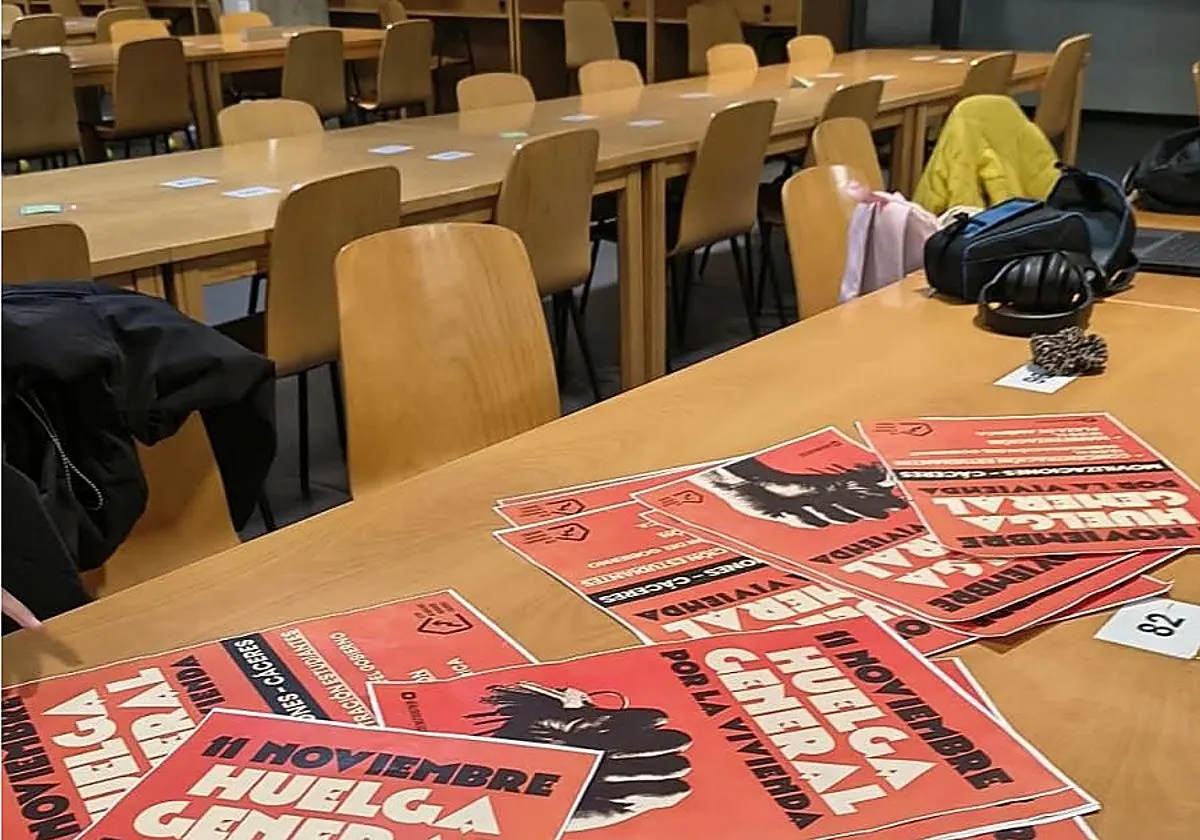
Spain's first general strike in more than 14 years takes place on Wednesday 11 November, just as the election campaign gets going. Thousands of people, especially younger and foreign workers, have joined the job market since the last one and have never lived through a strike like this. Here are the practical answers.
1. You can't get into your workplace
If pickets (striking workers who try to persuade colleagues to join in) block the entrance, tell your company that you are stuck. Collect proof too: photos or videos of the situation are the best way to show your bosses you couldn't get in.
2. There is no transport
If you want to work but can't get there, again contact your company straight away. Keep evidence such as closed access to trains, metro or buses, missing services or general stoppages. The more proof you have, the safer you are from a pay deduction for that day.
3. How much comes off your payslip
In general, only the proportional part for the hours you don't work. If you work full time (8 hours), those hours are deducted. If you work part time (4, 5 or 6 hours), the same proportion applies. The deduction covers your base salary, supplements and bonuses, and the proportional share of extra pay if you get it.
4. Your Social Security status
Striking doesn't mean you are removed from the system: you stay registered, but in a special situation. That day simply doesn't count as a contribution day. So it won't count towards unemployment benefit or your future pension calculation.
5. You can work a few hours and then stop
Yes, you can turn up and walk out later, even if you don't strike all day. You don't have to explain anything to your bosses, though you should clock in and out to avoid problems. Only the hours you strike are deducted, proportionally.
6. You're on holiday, off or on sick leave
In none of these cases can you join the strike, because you aren't working but in a different situation. These situations come before the strike, so there are no last-minute changes. You can ask for a day off on 11 November, but only with your company's prior approval.
7. Your boss can't ask whether you're striking
Legally, no company can demand to know your decision, or draw up lists of who will attend or not. Some firms may change shifts for organisational reasons to avoid a total standstill. Workers who strike can't face reprisals or penalties the next day. Staff assigned to minimum services (the essential cover that must keep running) can't strike.
The last general strike was on 14 November 2012, called by the unions CCOO and UGT against austerity cuts, and now the unions are calling another one.
Story timeline
Spain's general strike of 11 November · 3 updates
What happened before and after this story. Background events not previously covered were summarised by AI.
More in: Life
See all →
Is Turkey's "pastırma summer" over? Warmer days are on the way after the snow

Paco, a new French coach brand, wants to take on FlixBus from January
Egypt lets you get a general litigation power of attorney from home