Jung and Yongsan districts plan alcohol ban at Seoul Station Plaza
Two Seoul districts that share jurisdiction over the plaza decided to make it an alcohol-free zone after complaints about public drinking and disorder.
This summary was written by AI to complete the context; it is not based on a current source.
In September 2026, the Jung District and Yongsan District offices in Seoul agreed to designate the plaza in front of Seoul Station as an alcohol-free zone. The two local governments share jurisdiction over the area, which sits on the boundary between them.
The decision followed repeated complaints about people drinking in the open at the plaza, one of the busiest transport hubs in South Korea. Residents, commuters and travellers had reported disorder, noise and litter linked to public drinking, and the area has long been a gathering place for people who drink outdoors.
The plan relied on South Korea's national health promotion law, which lets local governments set up zones where drinking in public is prohibited, usually through a local ordinance. Because the plaza spans two districts, both had to act together for the ban to cover the whole space.
The move mattered because it was the first step toward formal rules, with penalties for violators, at one of the capital's best-known public spaces. Later announcements set out when the ban would take effect.
Story timeline
Seoul Station Plaza alcohol ban zone · 3 updates
What happened before and after this story. Background events not previously covered were summarised by AI.
More in: Society
See all →
Bursa builder with Thessaloniki roots turns heads for his Atatürk likeness

He sent 67,500 lira for a loaf of bread, and the kiosk owner paid it back
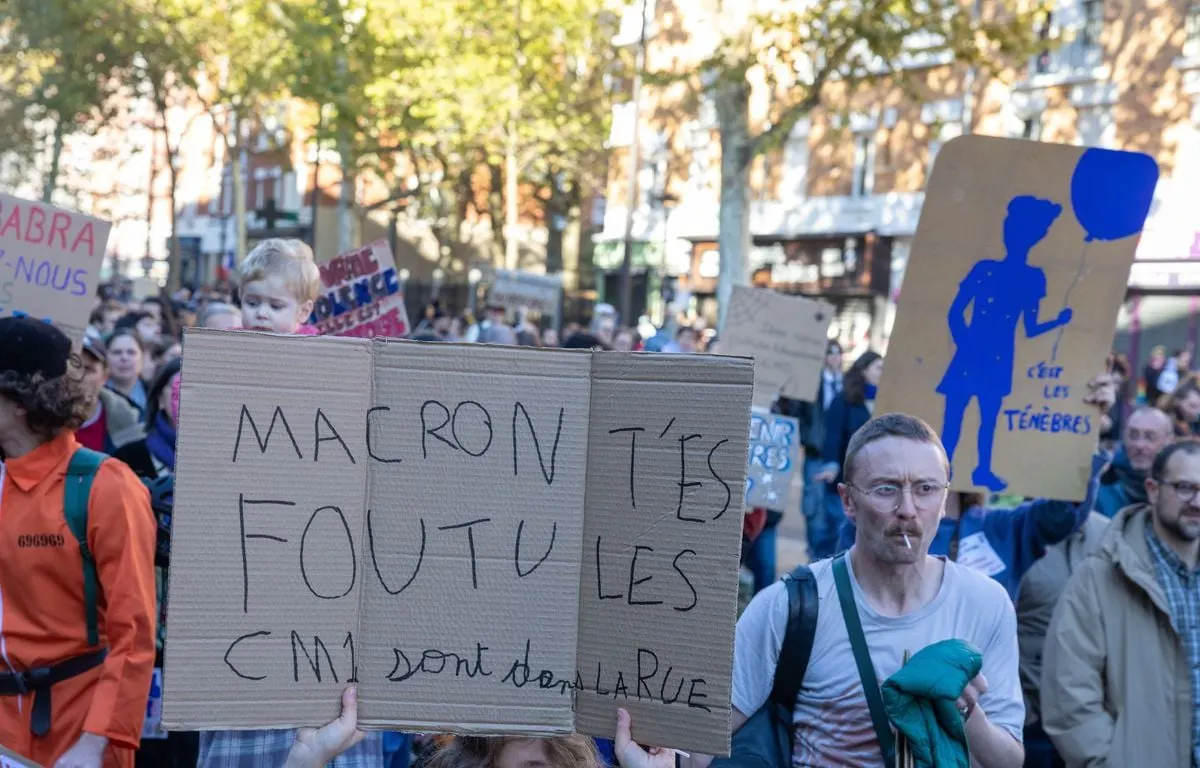
A French 8-year-old insulted Macron on live radio: should parents worry?