Saudi novelist Osama Almuslim cut scenes he loved from his first film script
Osama Almuslim adapted his own novel Jahim Al-Abereen for the screen, and says deleting a good scene can make a better film. It premieres in Cairo this Friday.
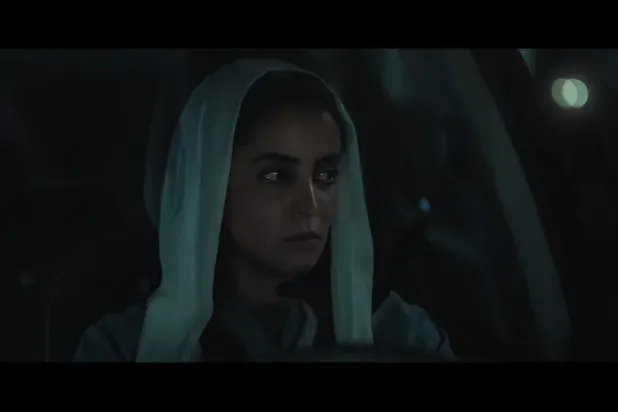
What happens when a novelist has to cut his own favourite scenes? Saudi author Osama Almuslim just found out. He wrote the script for the film version of his novel Jahim Al-Abereen, his first feature-length screenplay.
The film has its world premiere at the Cairo International Film Festival this coming Friday. It opens in Saudi cinemas on 19 November, then rolls out in several other Arab countries.
Fewer words, more picture 🎬
Almuslim says writing for cinema is a different job. In a novel, he has room to explain and to go deep inside characters. On screen, he says, you have to say a lot with very few words and let the image tell the story.
His biggest challenge was keeping the spirit of the book while retelling it in film language. "Not everything that works for reading works for watching," he says. Some scenes that hit hard on paper simply don't on screen.
Letting go of scenes he loved
Did he have to drop scenes he was attached to? "Of course," he says, calling it normal in any adaptation. Some details are dear to the writer but don't suit the film's rhythm or its new structure.
His advice to other writers moving into cinema: be ready to give up things you love for the sake of the whole. "Sometimes deleting a good scene is the best decision for making a better film."
A partnership with the director
The film is directed by Hanaa Alomair. Almuslim praises her visual vision and her ability to turn written atmosphere into something you can feel on screen. He says a director shouldn't just carry out what the author wrote, but act as a creative partner with her own reading.
He credits her with giving the film its own stamp, especially in building mood and handling the tension and mystery that this kind of story depends on.
The finished film isn't identical to what he pictured, and he didn't want it to be. Some scenes came close to his imagination, others were different, and a few differences pleasantly surprised him.
He also appears briefly in the film. He calls it a cameo rather than a real acting role, and hints that viewers might enjoy spotting him.
What does he hope for?
His novels are widely read across the region, so expectations are high. He appreciates readers' trust but tries not to let it turn into pressure. His wish is that people walk into the cinema as viewers, not as readers hunting for a word-for-word match, and above all that they enjoy it, whether they know the book or are meeting this world for the first time.
More in: Film & TV
See all →
Robert Aramayo on Rings of Power season 3, a double role and his Basque roots
La casa de papel is back for more heists, and Netflix is still cashing in
Johnny Depp walks a snowy Leicester Square red carpet for Ebenezer premiere