Rents in Germany's big cities keep climbing, with Hamburg up 4.1 percent
New bank data shows rents in Germany rose 3.5 percent in a year, while purchase prices barely moved. Hamburg leads the increase, Stuttgart lags behind.
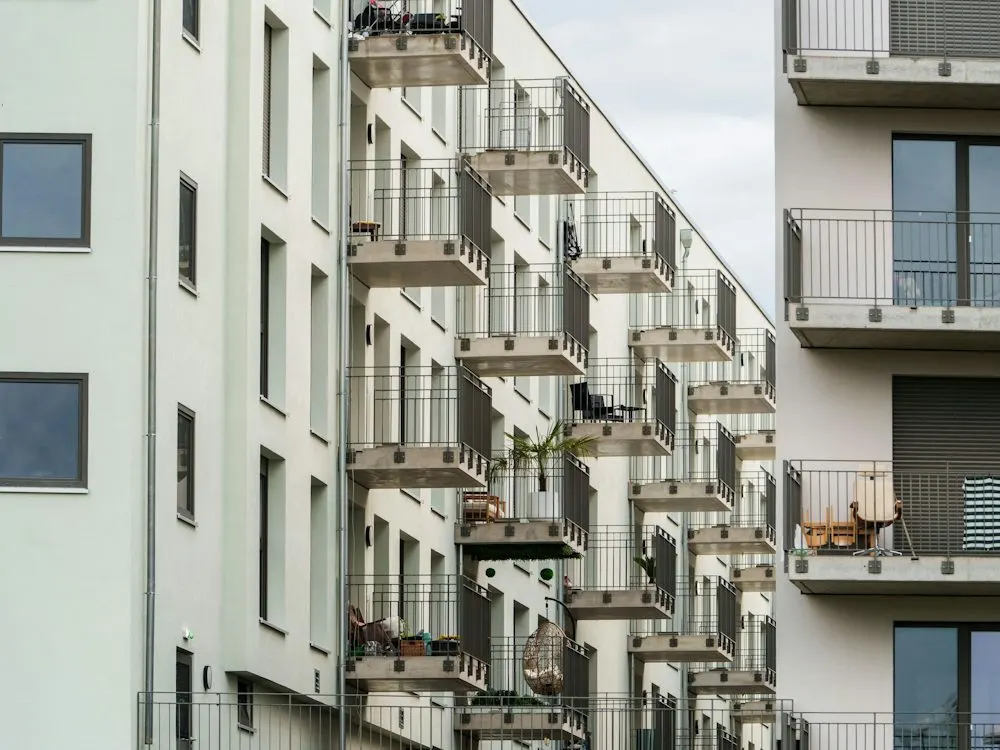
Looking for a flat in a big German city? Bad news: it is getting more expensive again. And the places that were already pricey are pulling away fastest.
What happened?
The VDP, the association of German Pfandbrief banks (lenders that specialise in property finance), has published new figures. It draws on data from more than 700 banks. In the third quarter, from July to September, rents across Germany were 3.5 percent higher than a year earlier.
In the seven biggest cities (Berlin, Hamburg, Munich, Frankfurt, Cologne, Düsseldorf and Stuttgart), the rise was a little smaller at 3.0 percent. But it started from a very high level.
Hamburg saw the steepest jump in rents for new contracts: 4.1 percent. Munich followed with 3.6 percent, Frankfurt with 3.5 percent. Stuttgart was the calm exception at 1.4 percent.
Rents only go one way
Buying is a different story. Prices for residential property rose just 1.0 percent year on year, and 1.4 percent for owner-occupied homes. Purchase prices react to world events: after Russia attacked Ukraine in 2022, interest rates climbed and property prices fell. They have been recovering for a few years now.
Rents in big cities, by contrast, have kept rising whatever happens in the world. Over the past ten years they have roughly doubled in the seven largest cities. In Berlin they are up by more than two and a half times since 2010, even though many Berliners still pay comparatively low rents on older contracts.
The reason is simple, but not easy to fix: many people want to live in cities, and there are few flats.
And what about Berlin's plans?
This is where politics comes in. The Left Party won the Berlin state election (for the Abgeordnetenhaus, the city's parliament) with a plan to socialise hundreds of thousands of flats owned by big landlords such as Vonovia or Heimstaden. The hope is that a large public housing stock would slow rent increases over time.
The VDP is not convinced. Its chief executive Jens Tolckmitt says Germany needs more housing, not "ideological experiments at the expense of people looking for a home". The association has opposed the plans for months and has warned that socialisation could push up property loan costs, in Berlin and beyond.
According to the article's analysis, socialisation would not change the core problem: strong demand meeting too little supply. For now, anyone searching for a flat in a German city should expect to pay more.
More in: Money
See all →
Germany's pensioners can expect another clear rise in their pensions in 2027
Germany plans to cap resale ticket prices at 20% or €20 extra

Tunisia's date industry becomes a model: quality over quantity