One in three care-leaver youths in Korea shows signs of depression
A new report finds young Koreans who age out of state care show depression symptoms at three to four times the rate of their peers.
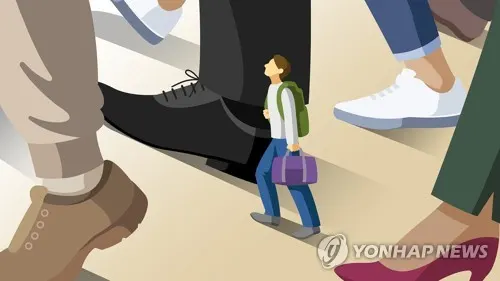
Leaving a children's care facility often means starting adult life with no family safety net. A new report from South Korea suggests the toll on mental health is heavy.
According to a report by the Korea Institute for Health and Social Affairs, about one in three young people who have left state care showed depression symptoms in 2024. That is three to four times the rate among young people in general.
What did the report find?
The report, titled "Youth Health Status and Challenges: Focusing on Vulnerable Youth" (by researchers Kim Dong-jin and Lee Ji-young), draws on the national Youth Life Survey.
It looks at "jarip-junbi cheongnyeon", or youth preparing for independence. These are people aged 19 to 34 whose protection under the Child Welfare Act has ended, or who have left child care facilities.
In 2024, depression symptoms were found in 29.3% of the men and 34.2% of the women in this group. Among all young people, the figures were 7.2% for men and 10.7% for women.
Isolated and reclusive young people also fared worse. Their rates were 18.8% for men and 30.3% for women, close to three times the general level.
Burnout and medication among young family caregivers
The report also looked at young people who care for family members. Asked whether work, study or job hunting had left them exhausted over the past year, 51.7% of the men and 66.1% of the women said yes. For young people overall, the figures were 28.6% and 36.2%, so the caregivers' rate was about double.
Medication use stood out too. Among male young caregivers, 19.2% had used tranquilizers and 6.2% had used opioid painkillers. For all young men, the figures were 3.0% and 0.9%, more than six times lower.
Among female young caregivers, 13.7% had taken sleeping pills and 26.0% had used diet or weight-control drugs. For all young women, the figures were 5.1% and 9.3%.
What do the researchers recommend?
The authors say vulnerable young people have "considerable room for improvement" in mental health, health behaviour and medication use. They call on local public health institutions to identify young people with health problems and offer disease prevention and management services, along with health education.
They also point to a gap in policy. Youth policy has expanded in many areas, they say, but attention to health, the most basic precondition for quality of life, remains insufficient. If youth policy aims to uphold young people's dignity and worth, they argue, health policy should come first.
What came before?
In July 2021, South Korea's government began using the term "jarip-junbi cheongnyeon" and expanded support for people leaving child care facilities. This report suggests that mental health needs among them remain large.
Story timeline
Depression among Korean care-leaver youth · 2 updates
What happened before and after this story. Background events not previously covered were summarised by AI.
More in: Health
See all →
Social anxiety is rising among young people in France since Covid-19

Forget salmon: herring may be the best fish for your heart and brain

She nearly lost her sight after an ear piercing, and the cause was a lamp