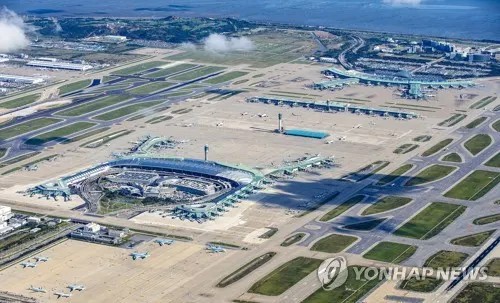
Novaya Gazeta publishes its first issue in Moscow in April 1993
In April 1993 a group of Russian journalists launched Novaya Gazeta, backed by Mikhail Gorbachev's Nobel money, as an independent newspaper.
This summary was written by AI to complete the context; it is not based on a current source.
Novaya Gazeta ("New Newspaper") appeared in Moscow in the spring of 1993, only a little over a year after the Soviet Union collapsed. It was set up by a group of journalists who wanted a paper free from state and party control, in the new and uncertain conditions of post-Soviet Russia.
Mikhail Gorbachev, the last Soviet leader, supported the project. He used part of the money from his 1990 Nobel Peace Prize to help buy the first computers and equipment for the editorial office. Gorbachev later remained among the paper's shareholders, and its early years were modest and financially fragile.
The newspaper grew into one of Russia's best-known independent outlets. It became known for investigations into corruption, the wars in Chechnya, human rights abuses and abuses of power, and several of its reporters were killed over the years. Its editor-in-chief Dmitry Muratov shared the 2021 Nobel Peace Prize. The paper's later suspension and loss of its licence in 2022 gave this founding moment fresh significance for readers following its history.
Story timeline
Novaya Gazeta closure after 33 years · 3 updates
What happened before and after this story. Background events not previously covered were summarised by AI.
More in: News
See all →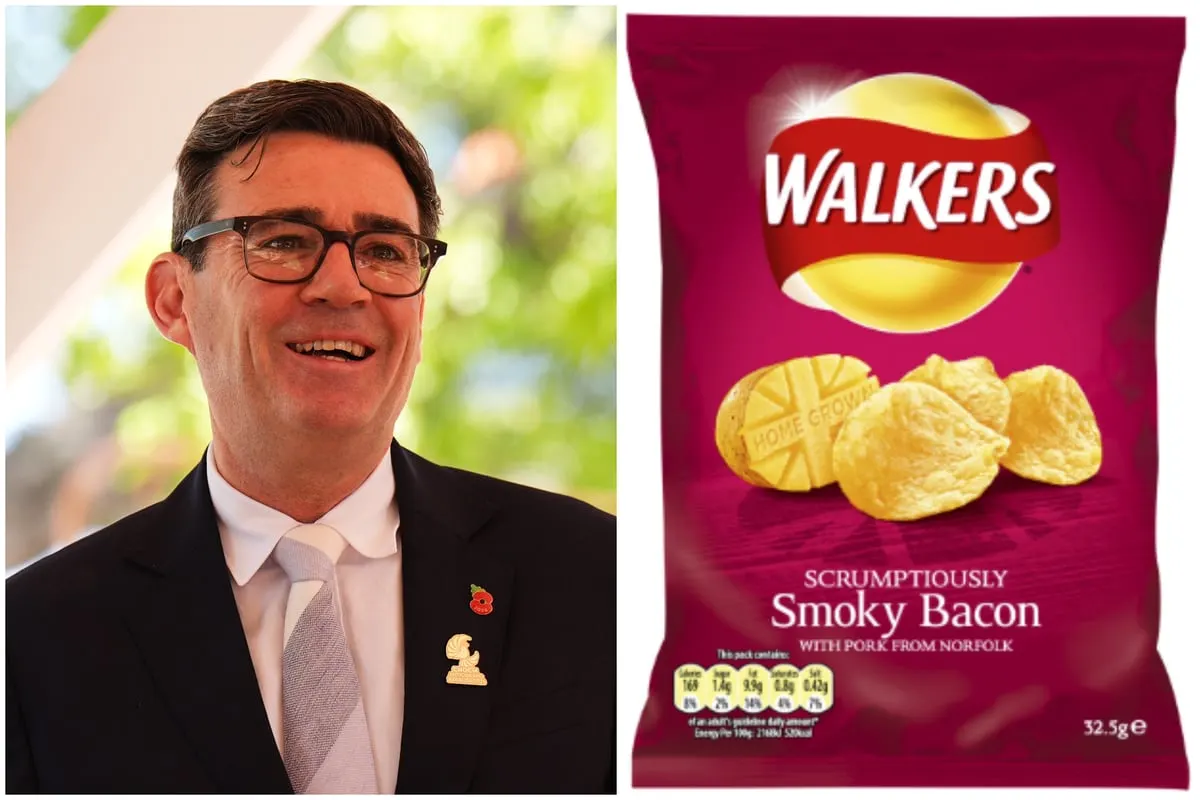
Could smoky bacon crisps be banned? Minister tells host to 'get a life'
Bird flu antigen found at duck farm in Jangheung, triggering 24-hour standstill
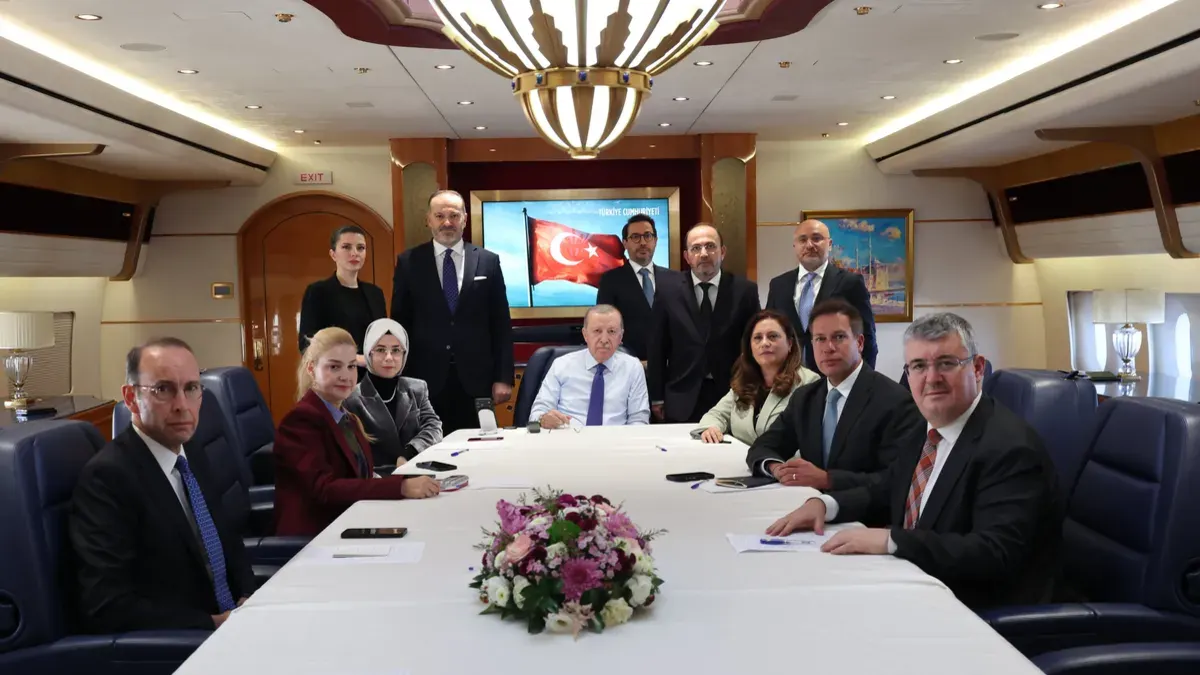
Erdoğan on the flight home from Seoul: Azerbaijan trip, Putin call and more