Munich Jewish Museum and community center open at St.-Jakobs-Platz
In 2007 the Jewish Museum and the Jewish Community Center opened beside Ohel Jakob, completing Munich's new Jewish ensemble in the city centre.
This summary was written by AI to complete the context; it is not based on a current source.
In 2007, a few months after the Ohel Jakob synagogue was consecrated in November 2006, two more buildings opened on St.-Jakobs-Platz in central Munich: the Jewish Museum and the Jewish Community Center. Together with the synagogue, they completed a three-part ensemble designed by the architects Rena Wandel-Hoefer and Wolfgang Lorch.
The community center, run by the Israelite Community of Munich and Upper Bavaria, brought together a school, a kindergarten, a kosher restaurant, event rooms and administrative offices. The Jewish Museum, a city-run institution, presented the history and present of Jewish life in Munich through exhibitions open to all visitors.
The project mattered because it placed Jewish life in a prominent public space, close to Munich's main shopping streets and Marienplatz, the central square. The city had been the site of the Nazi movement's early rise, and its main synagogue had been destroyed in 1938. The new ensemble was widely seen as a sign of renewed confidence for the community, which had grown, not least through immigration from the former Soviet Union since the 1990s. It became a lasting centre of Jewish religious, cultural and educational life in Germany's third-largest city.
Story timeline
Ohel Jakob Synagogue Munich 20th anniversary · 3 updates
What happened before and after this story. Background events not previously covered were summarised by AI.
More in: Society
See all →
Bursa builder with Thessaloniki roots turns heads for his Atatürk likeness

He sent 67,500 lira for a loaf of bread, and the kiosk owner paid it back
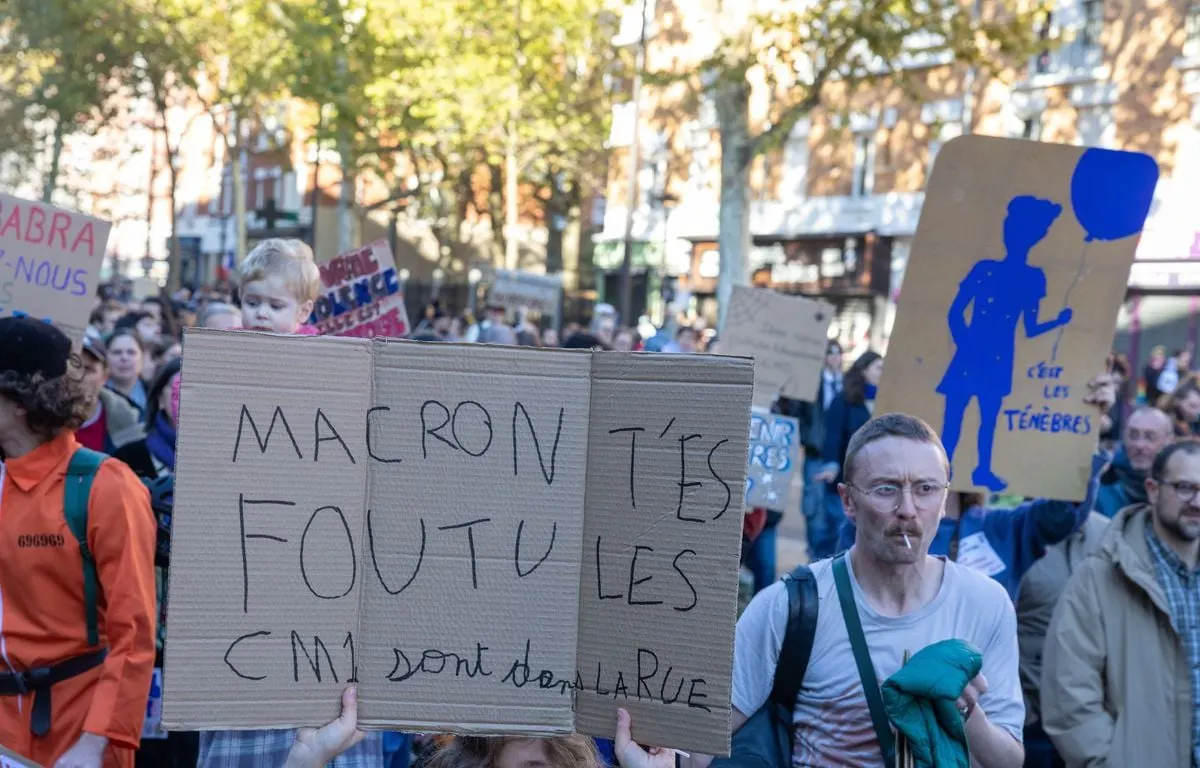
A French 8-year-old insulted Macron on live radio: should parents worry?