Measure your waist too: new obesity definition adds 40% more cases in Spain
A Nature study of 844,108 adults found that adding waist size to BMI lifts obesity in Spain from 18.7% to 26.1%, the biggest jump of the four countries studied.
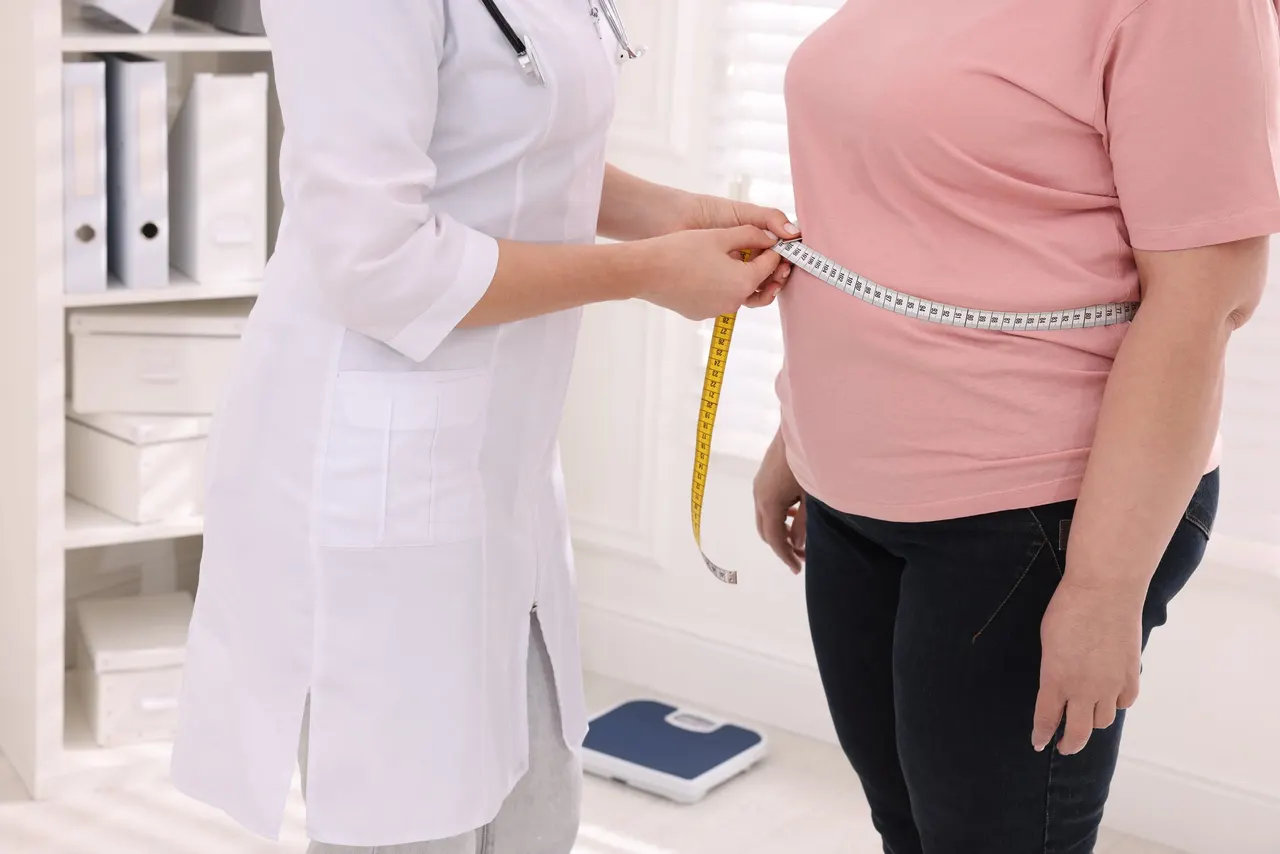
Your BMI might say one thing. Your tape measure might say another. A new international study suggests that if you add waist size to the usual body mass index (BMI, a weight-to-height ratio), obesity in Spain rises from 18.7% to 26.1% of adults. That is almost 40% more cases in relative terms.
What happened?
Researchers published a study in Nature on Wednesday covering 844,108 adults in China, the UK, the United States and Spain. They combined BMI with waist circumference relative to height. The rule of thumb: your waist should be no more than half your height.
BMI alone overestimated obesity in 1 to 3 of every 100 people, but underestimated it in 5 to 8.4. Spain showed the widest gap, 7.4 percentage points, against 3.5 in China, 3.3 in the UK and 5.6 in the US.
Why does it matter?
Fat around the belly is the kind that harms health most. A very muscular person can have a high BMI, while someone slim with a large belly can have a relatively low one.
The new framework also separates clinical obesity (excess fat that affects how organs work) from preclinical obesity (higher risk, but organs still working normally). Among clinical cases, the risk of death from any cause was 69% higher than in people without obesity or organ dysfunction. For preclinical cases it was 19% higher. And 8 to 9 in 10 people at the preclinical stage did not develop the clinical form within 10 years.
"Preclinical obesity should not be treated automatically as an active disease, nor considered harmless," said Francesco Rubino, the study's senior researcher.
What's next?
The idea is not brand new. In January 2025, a commission published in The Lancet Diabetes & Endocrinology proposed combining BMI with waist measurements and splitting obesity into clinical and preclinical.
Not everyone is ready to adopt it universally. Diego Bellido Guerrero, president of the Spanish Society for the Study of Obesity (SEEDO), called the study solid. But he said it doesn't prove the classification improves treatment or reduces complications, so more evidence is needed. He does believe waist size plus a clinical assessment should be part of good care.
José Manuel Fernández-Real, of the IDIBGI research institute and one of the authors, thinks it is feasible. "A tape measure costs very little and gives a lot of information," he said. BMI stays as the starting point, not the final diagnosis.
Story timeline
New waist-based obesity definition debate · 2 updates
What happened before and after this story. Background events not previously covered were summarised by AI.
More in: Health
See all →
Germany lost 157 pharmacies in nine months, and the trip for pills gets longer

Free measles and rubella shots in Egypt for children aged 9 months to 10