A bacterium from a Japanese sugar refinery turned up on Rembrandt's Night Watch
Scientists swabbing Rembrandt's masterpiece in Amsterdam found skin and soil microbes, plus one species first described at a sugar factory in Japan.
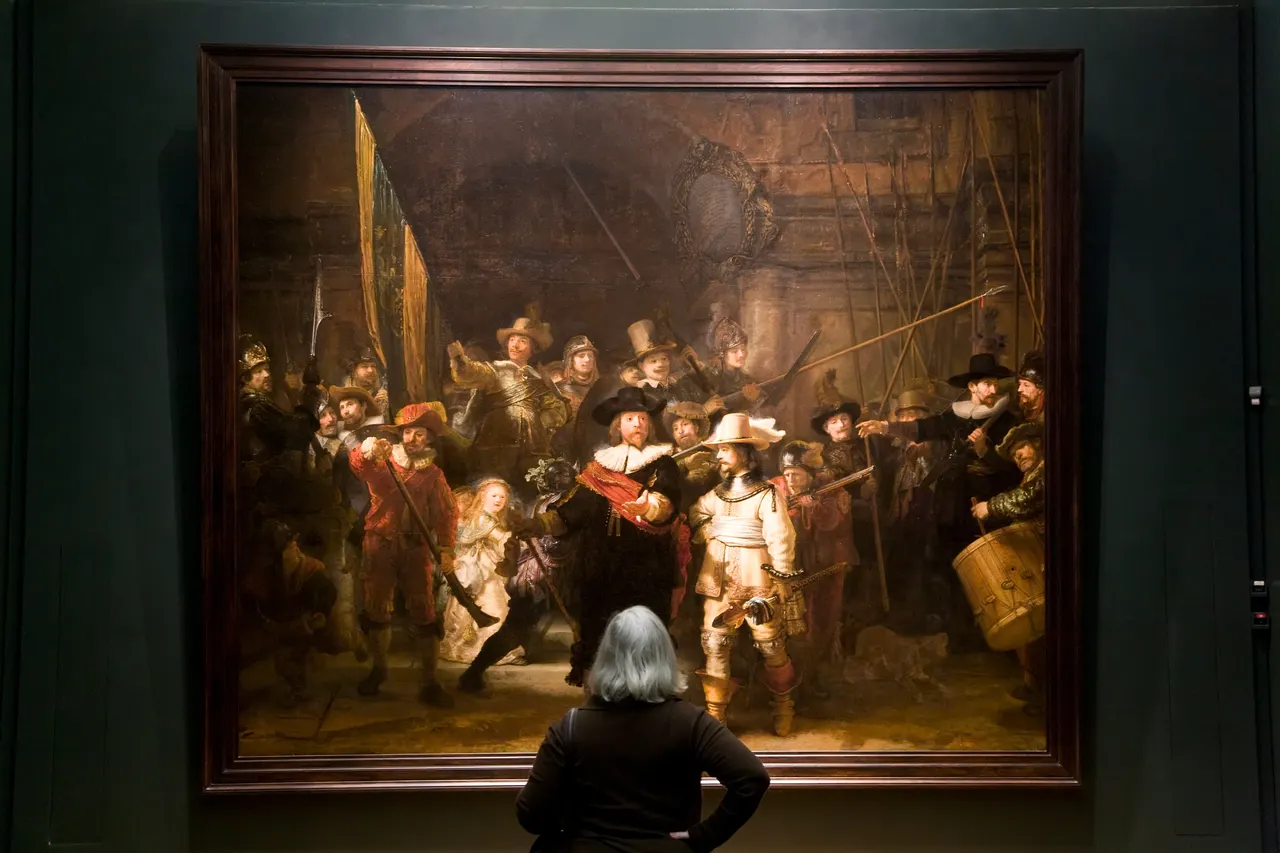
Rembrandt's The Night Watch has survived being chopped down to fit a wall. Now it has a new mystery: a bacterium that, as far as anyone knows, has no business being there.
Researchers say the species was first described in 2013 after being collected at a sugar refinery in Japan. And it has just shown up on a 17th-century painting in Amsterdam.
What did they find?
A team from the Rijksmuseum (the Netherlands' national museum) and Artis-Micropia, the world's first museum devoted to microbes, is taking 60 samples from ten spots on the canvas. They will work over the next six months, on both varnished and unvarnished areas.
The method is simple. Restorers press sterile cellulose discs against the painting, then the discs go into Petri dishes until visible colonies grow. "It's the first time The Night Watch, or any other artwork, has been analysed this way," says microbiologist Eline van Bloois.
So far, the cultures show bacteria typical of human skin (Staphylococcus epidermidis and Micrococcus luteus) and soil bacteria such as Lysinibacillus sphaericus, which can survive harsh conditions, including heavy metals.
So why Japan?
The surprise is Microbacterium saccharophilum. It was isolated from the floor of the Ensuiko Sugar Refining factory in Yokohama, and the findings were published in 2013.
"We don't know how to explain it at the moment," Van Bloois admits. Researchers have seen little sugar on the painting so far, and she says it is best not to speculate. The bacterium may simply not be as old as the canvas. Dating living microbes is hard, she adds, so we may never learn when it arrived.
One possible factor: unlike his contemporaries, Rembrandt prepared his canvases with a layer of oil and lead, meant to keep mould away in damp Amsterdam. That technique may have shaped how microbes grow.
What's next?
The Rijksmuseum gets all the data, in case it needs to adjust its restoration work. Since 2024, restorers have been slowly removing a varnish applied in the 1970s, behind glass and in full view of visitors.
That is part of Operation Night Watch, the huge research project launched in 2019. It has also included an AI reconstruction in 2021 of the edges cut off in 1715.
Artis-Micropia has a life-size reproduction of the painting and charts explaining the findings. The exhibition runs until May 2027. Van Bloois hopes it will show people that microbes matter: only about 1% of known ones cause disease in people or animals.
Story timeline
Microbes on Rembrandt's Night Watch · 3 updates
What happened before and after this story. Background events not previously covered were summarised by AI.
More in: Curious
See all →
He got the speed bump outside his home removed. Now cars hit 90 km/h

Tokyo's new vending machine gives you free water for a 15-second ad

Russian tourist's palm tree photo shoot in Bali ends in hospital