Japan's grocery tax cut has restaurants slashing prices, udon chain included
Japan will cut the tax on groceries to 1% from April 2027, but eating out stays at 10%. Chains like Marugame Seimen are lowering prices well ahead of time.
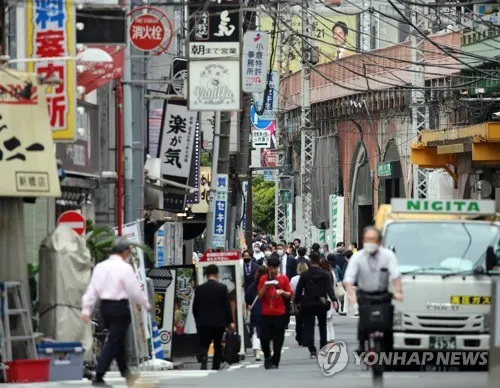
Cooking at home is about to get a lot cheaper in Japan. Eating out, not so much. So restaurant chains are cutting prices before customers start skipping them.
What happened?
The Takaichi government plans to lower the consumption tax (Japan's sales tax) on groceries sold in supermarkets and shops from 8% to 1% for two years, starting in April next year. Meals eaten inside a restaurant will stay at the current 10%.
That gap worries the food service industry. Big udon chain Marugame Seimen will cut prices by up to 11% from late this month, including its staple kake udon (noodles in plain broth). Yakiniku (Japanese-style grilled meat) chain Anrakutei already lowered its all-you-can-eat prices by about 11% in September.
The idea is simple: if buying ingredients is cheaper, more people may choose to cook at home.
Why is everyone talking about it?
The industry is already struggling. According to figures cited in Japanese media, bankruptcies among restaurant businesses through August this year were 9% higher than a year earlier.
In a survey of restaurant companies by a Japanese consumer organization federation, about 20% said they expect their operating profit to fall because of the tax cut. For a business with thin margins, that is a big deal.
The government is reportedly looking at ways to help, including dining vouchers that give customers more value than the amount they actually pay.
Will vouchers be enough?
Not everyone is convinced. An economist at Nomura Research Institute said it is hard to make up for the effect of a two-year tax cut with a temporary demand boost.
In other words, a short-term voucher campaign may not match the pull of cheaper groceries that lasts for two full years.
For diners, the early price cuts are good news. Whether smaller chains and independent restaurants can afford to follow is the open question as April approaches.
What came before?
Sanae Takaichi became prime minister in October 2025 after forming a coalition. On 1 October 2026, her government decided on the temporary food tax cut, which is due to start in April 2027.
Story timeline
Japan food consumption tax cut and restaurants · 3 updates
What happened before and after this story. Background events not previously covered were summarised by AI.
What are you in the mood for?
Five little things made by the people behind Mulemo.
My brain wants a workout
SUMO: tap the tiles, add them up, hit the target. Dangerously easy to start.
 SUMOTry it
I want to finally speak that language
Dialo: chat with an AI partner that corrects every sentence and tells you why.
 DialoTry it
I need a gift and I have no idea
giftdetect: say who it is for and get ideas from real shops in minutes.
 giftdetectTry it
Give me the tech gossip
Osegi: curious tech news from around the world, in your language.
 OsegiTry it
I stare at EDI files for a living
ediviewer: reads EDIFACT and X12 like a normal document. On Mac and Windows.
 ediviewerTry it
More in: Money
See all →
7.36 million adults in Germany are over-indebted, and the number keeps rising
Poundland looks set to get more time to find a buyer as rescue talks go on
South Korea passes 20 million foreign visitors in a year for the first time