Japan's body hotels: how families wait for crematorium slots as boomers die
With about 1.6 million deaths expected in Japan in 2026, crematoriums are overstretched, and families are turning to cold-storage 'hotels' while they wait.
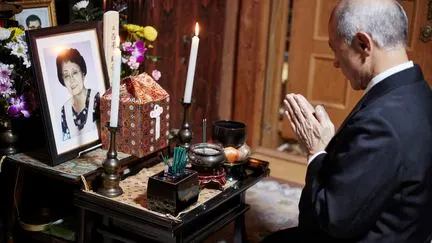
Japan is running out of room to say goodbye. Crematoriums are overstretched, waiting lists are growing, and a new kind of business has appeared: hotels for the dead.
About 1.6 million people are expected to die in Japan in 2026. That is normal for a country with a large post-war baby-boom generation, because there are simply more very old people. But the system was not built for this.
What is happening?
In Japan, cremation is the rule. In many cities, crematoriums were not designed to handle so many bodies every day, and staff and equipment are under heavy strain.
In megacities such as Tokyo and Yokohama, families sometimes wait up to ten days before they can get access to a funeral hall. That is a long time to wait when you are grieving.
What are body hotels?
Families are increasingly turning to small facilities, usually with around 30 places. They collect the body from the home or the hospital and keep it cold, at two or three degrees, until the cremation ceremony.
Relatives can visit whenever they wish. There are two main options: a small private room, where the body stays in a transparent refrigerated capsule, or a larger morgue. In the second case, the body is brought to a discreet lounge when the family visits.
The price starts at 80 to 150 euros per day.
What came before?
The problem has been building for years. In 2021, fees at privately run crematoriums in Tokyo, which provide most of the city's capacity, rose and drew public criticism. In 2023, Japan reported about 1.58 million deaths for 2022, a postwar record.
What happens next?
Big-city authorities are starting to respond. Tokyo currently handles 140,000 deaths a year and expects 200,000 a year by the 2060s.
The capital is now discussing with its ward offices whether to build several small, discreet neighbourhood crematoriums. It believes residents would accept them more easily. It would also be able to keep a closer eye on cremation prices, which have risen a lot in recent years.
Story timeline
Japan crematorium shortage as boomers die · 3 updates
What happened before and after this story. Background events not previously covered were summarised by AI.
What are you in the mood for?
Five little things made by the people behind Mulemo.
My brain wants a workout
SUMO: tap the tiles, add them up, hit the target. Dangerously easy to start.
 SUMOTry it
I want to finally speak that language
Dialo: chat with an AI partner that corrects every sentence and tells you why.
 DialoTry it
I need a gift and I have no idea
giftdetect: say who it is for and get ideas from real shops in minutes.
 giftdetectTry it
Give me the tech gossip
Osegi: curious tech news from around the world, in your language.
 OsegiTry it
I stare at EDI files for a living
ediviewer: reads EDIFACT and X12 like a normal document. On Mac and Windows.
 ediviewerTry it
More in: Society
See all →
Off-duty firefighter dives into Yangju reservoir to save a drowning person
Goodbye, Peter Pan: a late father's last dream for his autistic son hits the screen
Three school staff did 25 minutes of CPR on a stranger. A year on, he thanked them