How 2000s lad culture let Russell Brand hide in plain sight
Russell Brand's sexually explicit act made him a star in the 2000s. After his rape conviction, many are asking whether that culture helped him hide in plain sight.
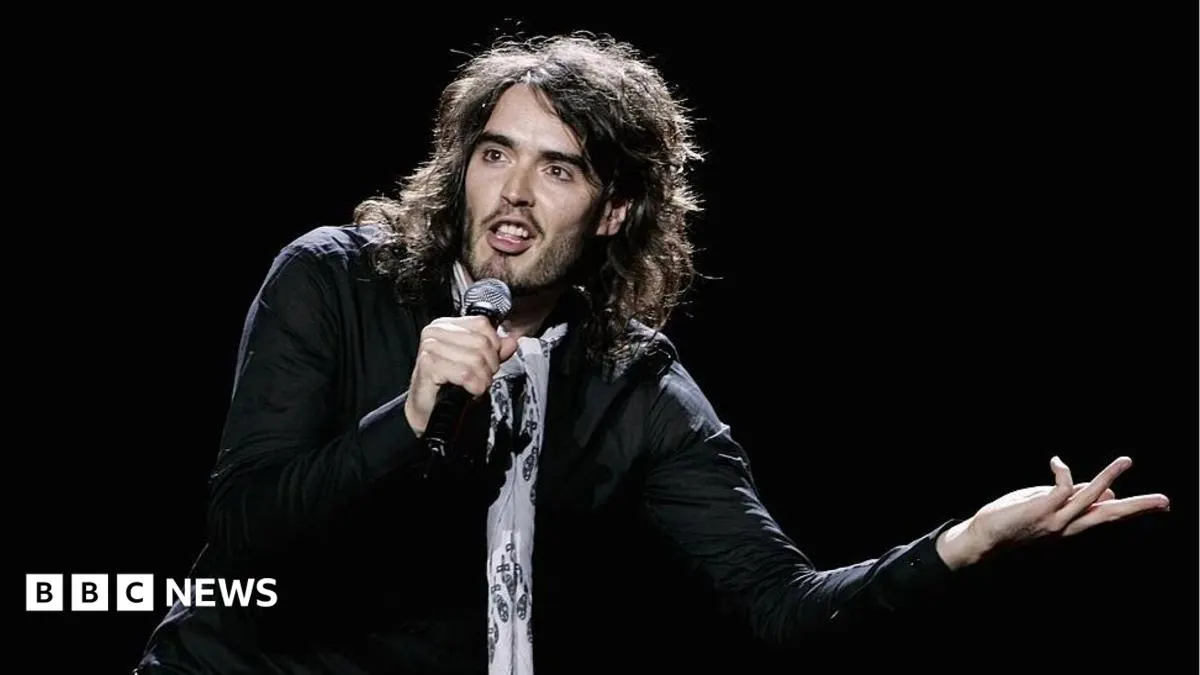
Russell Brand has been found guilty of rape and sexual assault. The behaviour at the centre of the case is closely tied to the persona that made him famous.
What happened?
On Thursday, Southwark Crown Court in London found Brand guilty of one count of rape and three counts of sexual assault, after a three-week trial. He now faces jail.
Brand rose to fame as a stand-up who joked about sex, drugs and excess. Over the decade of his offending, he sold out comedy venues and theatres. Broadcasters including MTV, Channel 4 and the BBC offered him work.
His 2007 memoir, My Booky Wook, topped a bestseller chart for seven weeks and sold 600,000 hardbacks in the UK. It was widely praised as frank and funny.
Why is everyone talking about it?
Because the same culture that celebrated him is now under scrutiny. During the trial, Brand's own barrister called his humour "a product of its time". The late 1990s and early 2000s in Britain often rewarded casual sexism. In 1999, a men's magazine projected a naked photo of TV presenter Gail Porter onto the Houses of Parliament without her knowledge.
Author Sarah Ditum says people were "willing to mistake irony and self-awareness for truth telling and trustworthiness". The jokes about being a sexual monster, she argues, were meant to convince audiences he wasn't one in real life.
A former TV boss, who asked not to be named, described the thinking in the industry: you have a charismatic presenter and "you don't want to lose that". Women who spoke up, they said, were not really listened to. One complainant told the court she didn't report what happened because she thought she wouldn't be believed in "those laddish culture times".
Comedian Jo Caulfield, who worked the same circuit, says Brand was "enabled". She says it is still the case that "nobody wants to upset the star", even though safeguarding rules have tightened in parts of entertainment.
What's next?
Brand awaits sentencing. This follows the 2023 newspaper and TV investigation that first made the allegations public, which he denied. In April 2025 prosecutors charged him over offences involving four women between 1999 and 2005, and he pleaded not guilty.
The wider question is for the industry: who stayed silent, and why? Critics say that conversation is far from over.
Story timeline
Russell Brand rape trial and conviction · 4 updates
What happened before and after this story. Background events not previously covered were summarised by AI.
More in: News
See all →
Sonia Gandhi's memoir reveals two secret cancer scares and surgeries abroad

Slovak couple on a birthday trip tried to save a wounded woman in Kraków

Renfe drivers' strike hits Madrid and Barcelona commuter trains on Tuesday