Egypt's 3-month spending squeeze: what the government is cutting
Egypt's cabinet is cutting power and fuel use in government bodies for three months. Here is what is affected, what is exempt and what happens next.
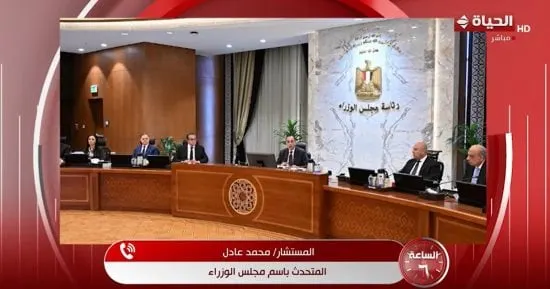
Egypt's government is tightening its belt for three months. The cabinet spokesperson, Mohamed Adel, explained the new public spending measures in a phone-in on TV. Here is what you need to know.
1. It is a three-month measure
The cabinet says the move reorders spending priorities. It also creates financial room to deal with any developments in the region, amid uncertainty.
2. Electricity use drops by 20%
Government buildings must cut electricity and lighting use by 20%. The comparison is with the same period last year.
3. Fuel use drops by at least 30%
Government vehicles must use at least 30% less fuel than in the same period last year.
4. Who is covered?
The measures apply to bodies in the state budget. That includes the administrative apparatus (the civil service), local government units, and public service and economic authorities.
5. Fuel-hungry national projects slow down
Projects that burn a lot of fuel will be slowed or postponed, as an exception, for three months. Ministries will choose which ones and tell the Finance Ministry and cabinet how much they expect to save.
6. No new projects, no new cars
No new projects will start this financial year. Finishing existing ones comes first. Government bodies also will not contract to buy new passenger cars until the end of the 2026/2027 financial year.
7. Health, education and key services are exempt
Exempt are the Health Ministry and its bodies, education, drinking water and sewage, and projects tied to water, food, national and energy security. All phases of Hayah Karima (the presidential initiative for poorer villages) are also exempt. So are funds for subsidised food, fuel, gas, pensions and the Takaful and Karama cash-support programme.
The spokesperson stressed that the steps are not aimed at power cuts for citizens or at services. The government will review the results after three months and decide whether to continue or extend them.
More in: Money
See all →
Germany lost 157 pharmacies in nine months: your trip for pills is getting longer

Dior CEO gets Ewha honorary doctorate as top Korean business leaders attend
Why young people in the UK are taking the hit in a 'low-gear economy'